
Balloutine Method for Parents
Your Child’s Body Is Shaped by Everyday Habits
Learn how to observe your child’s posture, movement, sitting, and walking — and understand what is normal, what deserves attention, and when to seek professional advice, from infancy through the early school years.
- 19 Lessons
- Online
- Self-Paced
- For Parents
49$ — Immediate access after registration
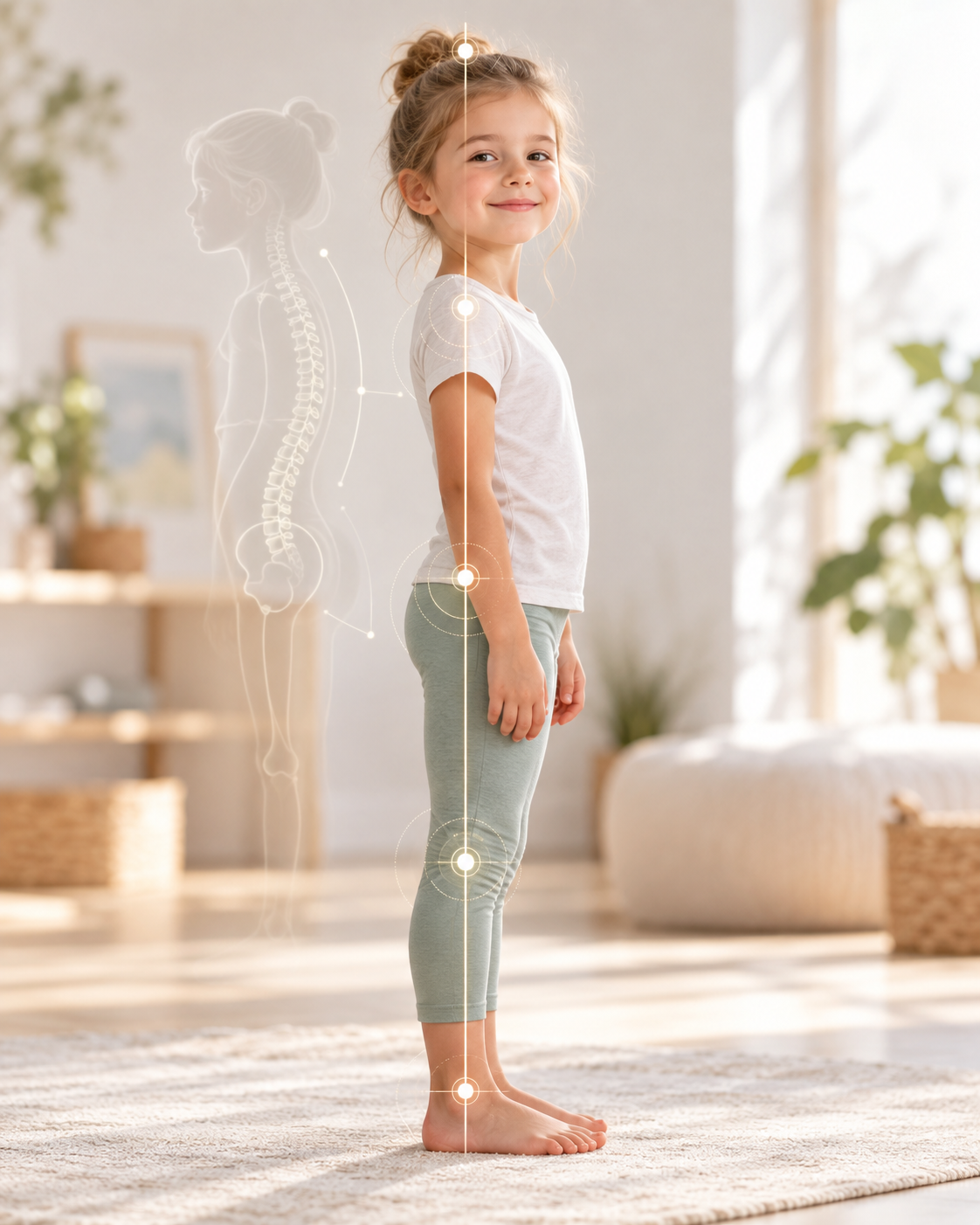
Posture Does Not Suddenly Change as a Child Grows
How your child sits today, holds a device, reads and writes, walks, uses a stroller or carrier, moves throughout the day, and even responds emotionally — these small habits repeat over time and can influence how the body develops and moves.
The challenge is that many parents do not know what to watch for until a change becomes obvious.
After This Course, You’ll See Your Child’s Movement Differently
Is their motor development appropriate for their age?
Understand key stages of movement and what is worth noticing.
Why do they walk on their toes?
Learn common possible reasons and when it may need attention.
Is a rounded back just a habit?
Learn how to distinguish an everyday habit from a sign that deserves attention.
How can screen use affect the neck and posture?
Understand that the issue is not only the screen itself, but also posture and movement.
Are they sitting and reading in a healthy position?
Notice the habits that repeat for hours throughout the school years.
When should I consult a specialist?
Recognize warning signs that should not be ignored.
From Infancy to School — One Course Across Key Stages of Growth
Infancy and Early Movement
0–12 Months
Sleeping, sitting, crawling, first steps, neck and jaw posture, strollers, walkers, and carriers.
Building Everyday Habits
Ages 3–6
Movement, walking, daily habits, and how children begin developing their movement patterns.
The School Years
Ages 6–9
Sitting, reading, writing, screens, sports, emotional well-being, and posture awareness.
Course Content
19 lessons organized by developmental stage, explained in clear language for parents.
- The First Year: Helping Your Child Sleep, Sit, and Move Well
- When Are Crawling and Walking Patterns Normal — and When Should You Pay Attention?
- How the Neck and Jaw May Influence Posture From an Early Age
- Walkers, Strollers, and Carriers — What Supports Your Child and What May Not
- How to Carry Your Child While Protecting Your Back and Supporting Their Position
- Physical Signs in Your Child That Are Worth Paying Attention To
- Ages 3–6: Everyday Habits That Help Shape Your Child’s Body
- Does Your Child Walk on Their Toes? Possible Reasons and When to Pay Attention
- Long Periods of Sitting at School — How They May Affect the Back
- Reading and Writing Without Neck Strain — Habits Worth Teaching Early
- Ages 6–9: The Movement Your Child’s Body Really Needs
- How Your Home Environment Can Support — or Undermine — Healthy Posture
- The Problem Is Not Just Screen Time — It Is How Your Child Sits and Moves
- How to Protect Your Child’s Neck During Phone, Tablet, and Gaming Use
- How to Notice Signs of Imbalance in Your Child’s Body
- Is Your Child Slouching? Look Beyond Appearance and Understand the Cause
- Which Sports Truly Support Your Child’s Strength and Movement
- Fear, Bullying, and Emotional Stress — How They Can Show Up in the Body
- How to Observe Your Child’s Daily Movement and Development More Clearly
A Doctor Sees Your Child for Minutes — You See Them Every Day
The goal is not to turn you into your child’s doctor. It is to help you know what to observe, what to ask, when to step in, and when to seek professional assessment.
Why Does the Balloutine Method Look at Children Differently?
The Balloutine Method views the body as one connected system. Posture, movement, daily habits, and the way a child uses their body continuously influence one another.
That is why we do not wait only for pain or an obvious problem to appear. We teach parents how to notice movement and posture patterns early, and how to understand when something is likely a simple habit and when it deserves professional assessment.
How Do You Study the Course?
Enroll in the Course
Get access immediately after completing registration.
Watch at Your Own Pace
Study from your phone or computer, wherever you are.
Apply What You Learn
Observe your child’s habits and movement with greater awareness.
Return to the Lessons Whenever You Need
The course is designed to be a practical reference for parents.
19 Lessons That Can Change How You Observe Your Child for Years
- 19 Lessons Organized by Developmental Stage
- Online, Self-Paced Learning
- Suitable for Mothers and Fathers — No Medical Background Required
- Practical Content You Can Revisit Whenever You Need
Frequently Asked Questions
The course covers stages from infancy through the early school years, with a focus on daily habits, movement, and posture during growth.
It is designed for parents and caregivers in general — mothers, fathers, or anyone closely involved in the child’s daily life.
No. The content is written for parents in clear, practical language and does not require prior medical training.
No. The course is educational. Its purpose is to help parents better understand what to observe in their child’s movement and posture, and to recognize when professional assessment may be appropriate.
Yes. You can access the lessons online from a phone or computer.
Yes. You can return to the lessons throughout the period the course remains available in your account.
Once registration and payment are completed, you receive access and can begin studying at your own pace.
If you notice a persistent or concerning sign, use what you have learned to describe it clearly and consult a qualified doctor or specialist for an appropriate assessment.
Your Child Is Growing Every Day
What you learn to notice today can shape how you understand your child’s movement and posture for years to come.