In-Clinic Care That Looks Beyond the Pain

Chronic pain is rarely a simple, isolated problem. In many cases, it develops alongside long-standing posture and movement patterns that have not been fully addressed.

With the Balloutine Method, Balloutine Method We treat pain as a signal that deserves a deeper look, and we focus on identifying the underlying contributing factors that may have led the body to compensate over time until the pain became persistent.

Our approach to chronic pain may include:

  • Improving body alignment
  • Restoring more balanced movement
  • Helping muscles and joints work more efficiently

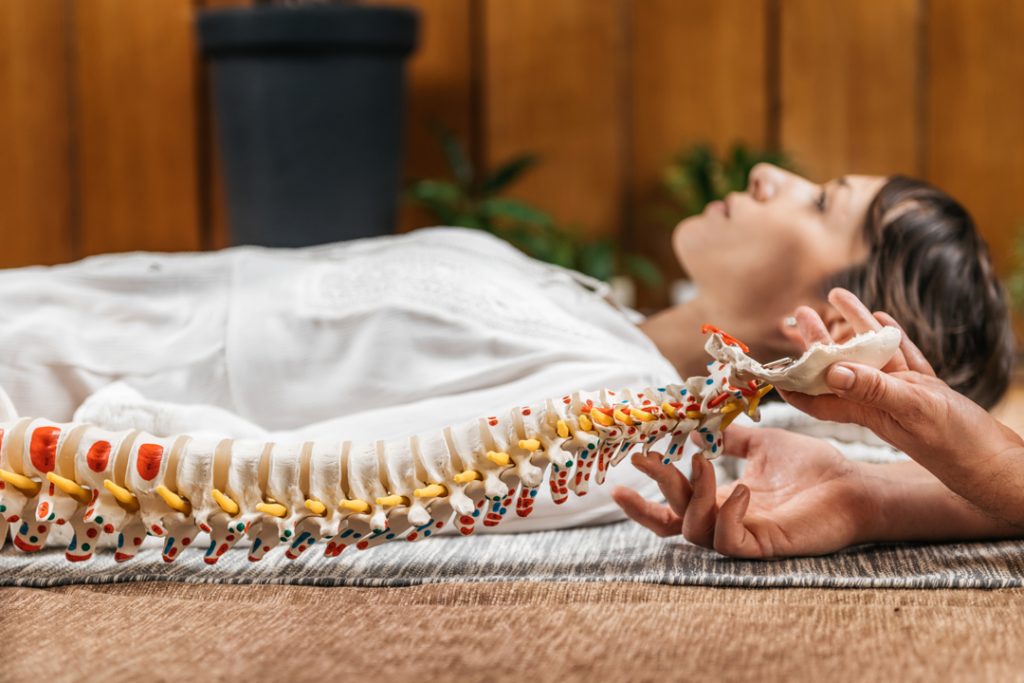
chiropractic and osteopathy patient education with flexible spine model

Pain Conditions We Commonly Work With

Problems that may become persistent when the contributing factors are not addressed

headeck

Headaches and Migraines

Description
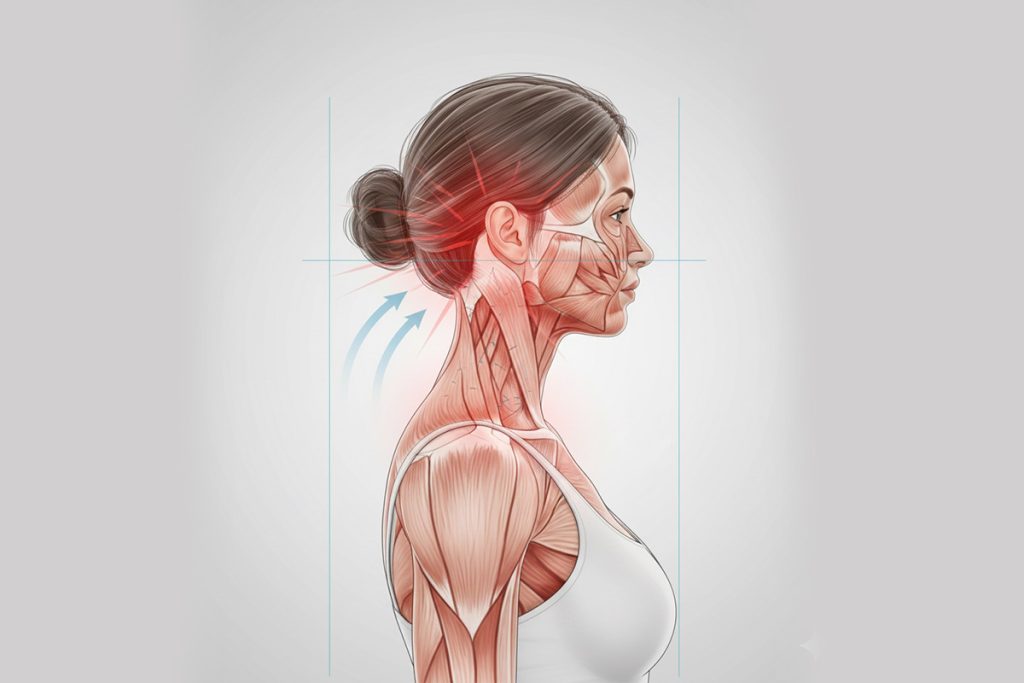
Often associated with neck and shoulder alignment, or persistent tension in the deeper muscles at the base of the skull.

How We Approach It
We assess head and neck posture, identify areas of tension and compensation, then use movement and posture strategies tailored to the contributing factors.

Jaw Pain

Description
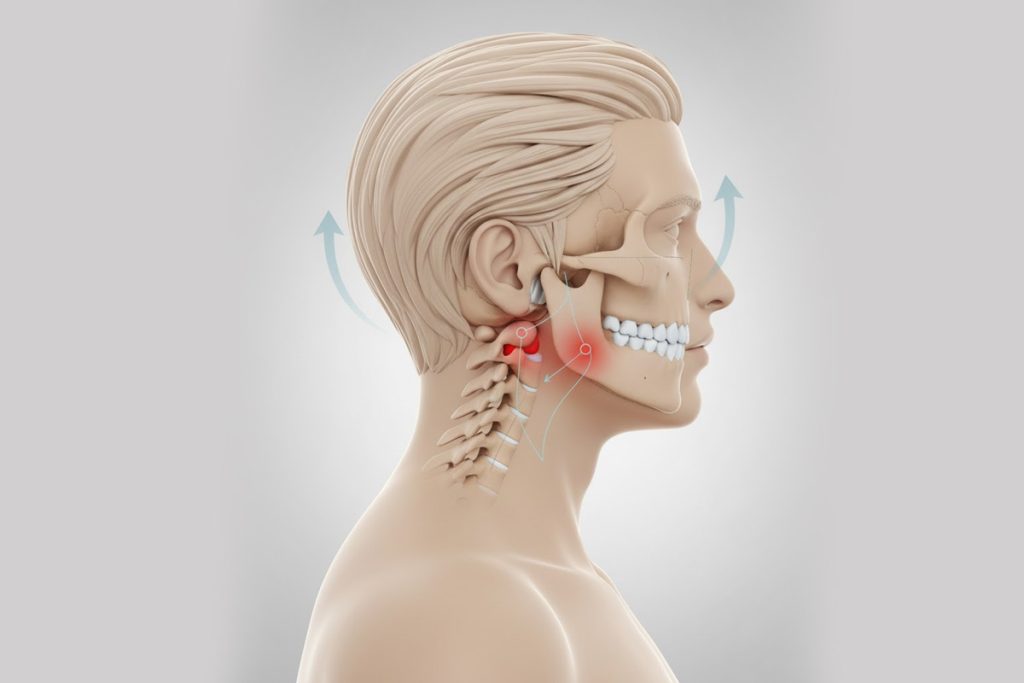
Jaw discomfort can sometimes be influenced by head and neck posture, muscular tension, and movement patterns around the jaw.

How We Approach It
We assess neck and upper-spine alignment and look at how head position may be affecting the jaw, rather than focusing on the joint alone.

jaw pain
neack and shoulders

Neck and Shoulder Pain

Description
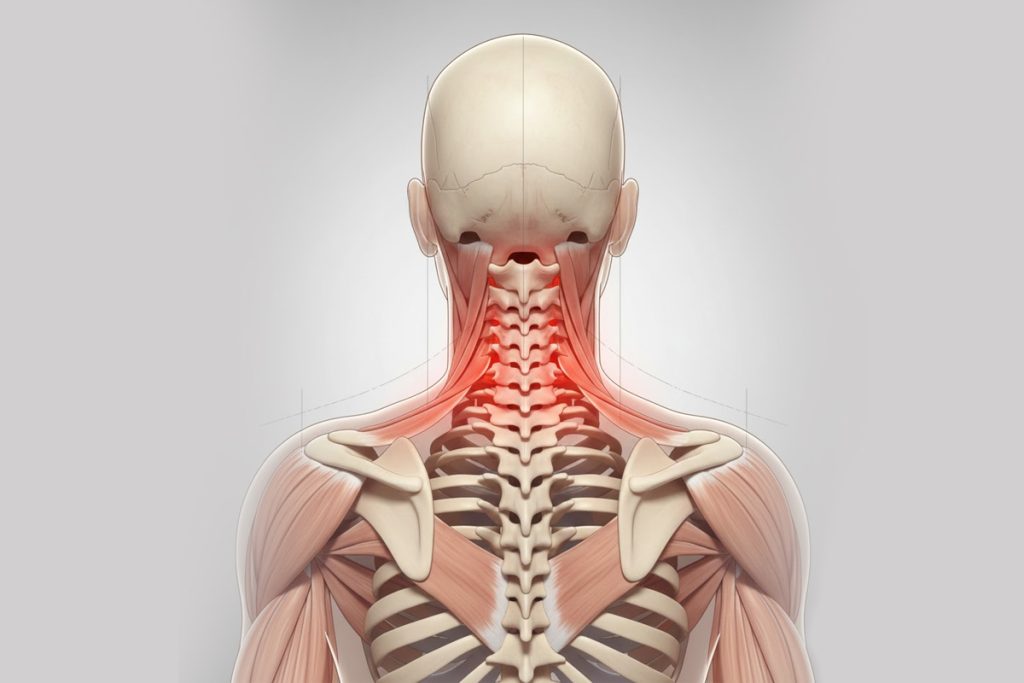
Often associated with prolonged sitting, poor posture, repetitive strain, or heavy phone and screen use.

How We Approach It
We assess sitting and movement patterns, reduce unnecessary compensation, and work on upper-body alignment through a gradual treatment plan.

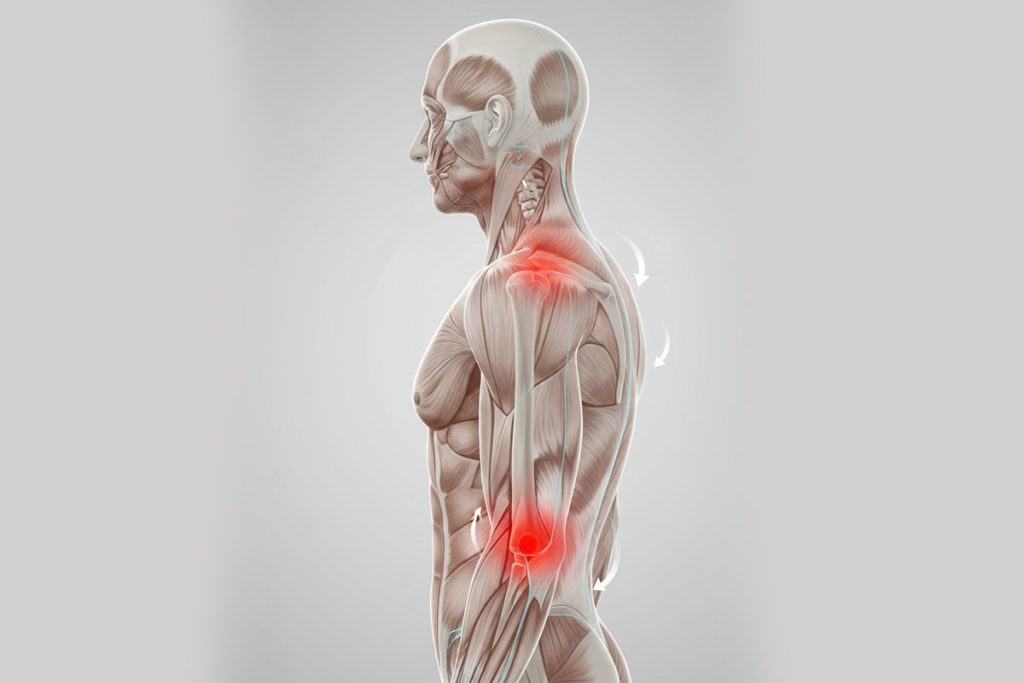
Elbow Pain (Golfer’s Elbow)

Description
Elbow symptoms can sometimes be influenced by how the shoulder, arm, and trunk are moving together.

How We Approach It
We look at the entire movement chain and work on shoulder and trunk mechanics rather than focusing only on the elbow.

elbow pain & golfer’s elbow
الرسغ

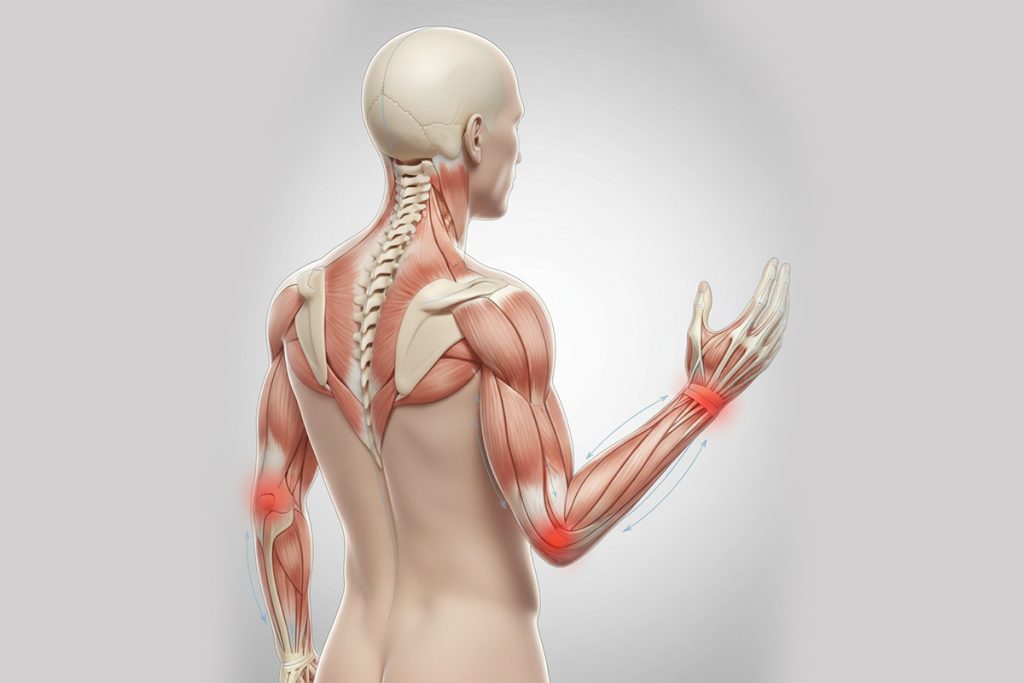
Wrist Pain

Description
Wrist pain may result from overuse, repetitive strain, or movement patterns that begin higher up in the neck or shoulder.

How We Approach It
We assess the full upper-limb movement chain and adjust positioning and movement to reduce unnecessary load on the wrist.

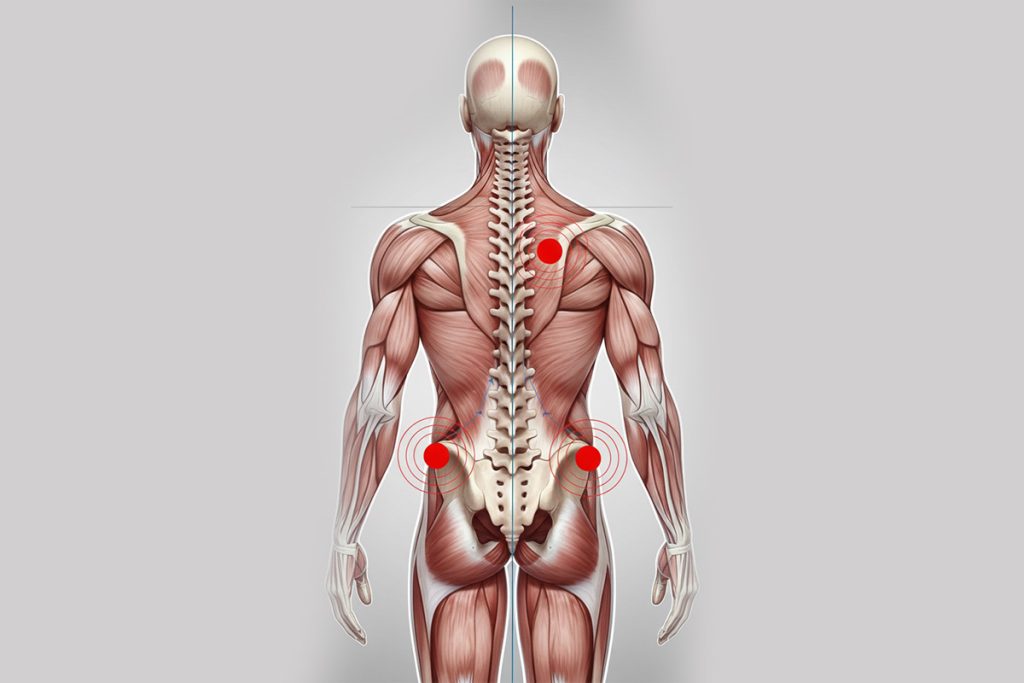
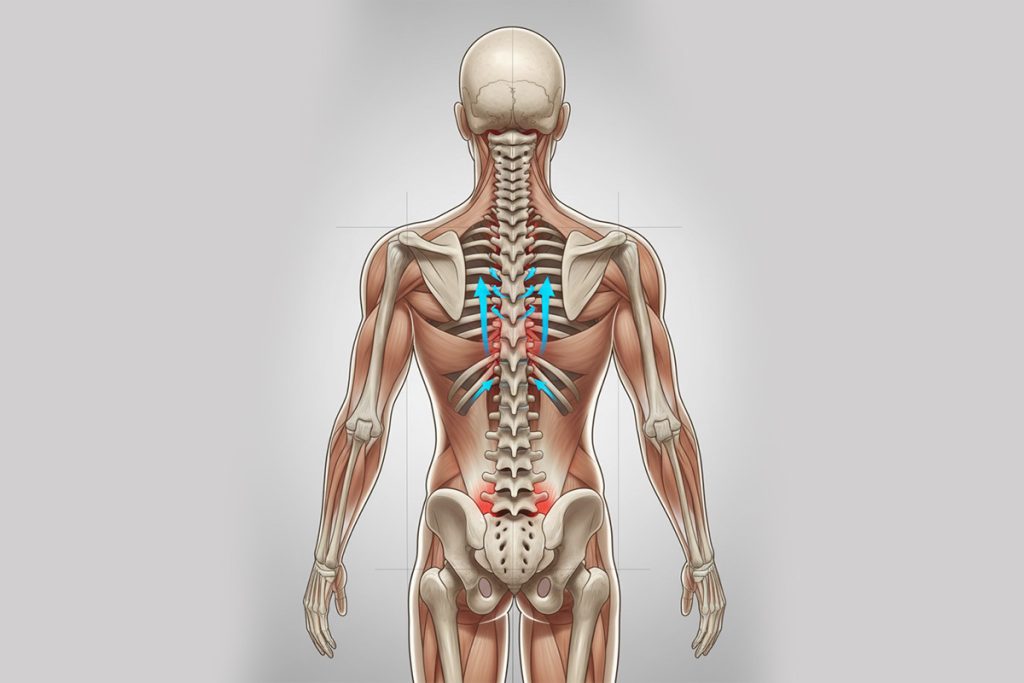
Back Pain

Description
One of the most common pain complaints, often influenced by how the spine, pelvis, and surrounding muscles are working together.

How We Approach It
We assess spinal and pelvic alignment and use posture, movement, and strengthening strategies to support better function.

ألم الظهر
الورك

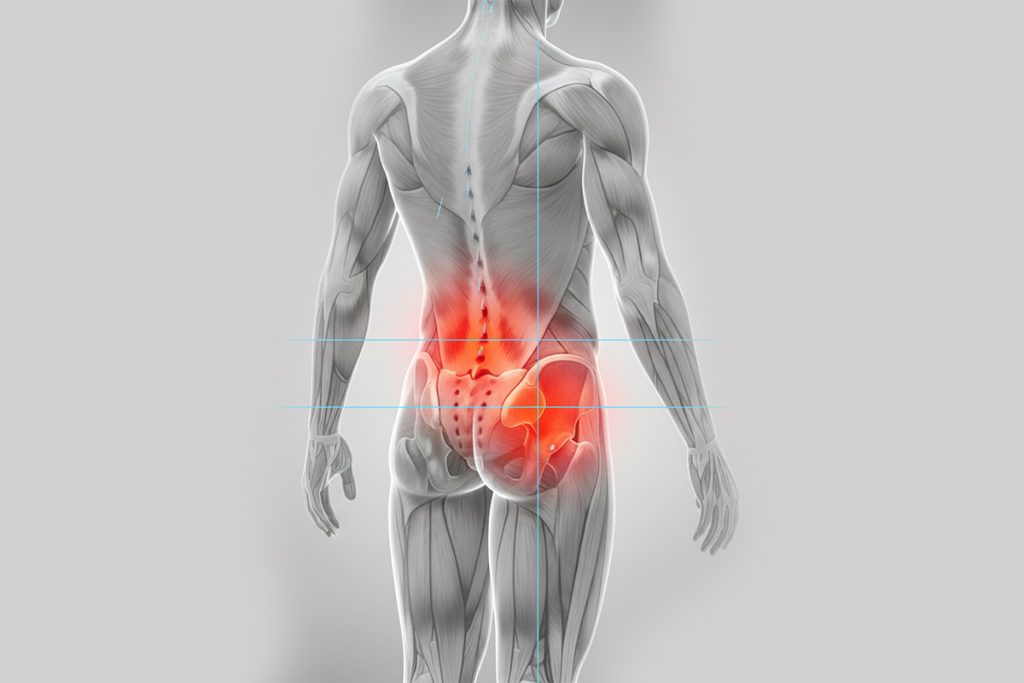
Hip Pain

Description
Hip pain can develop when pelvic control or movement patterns place uneven stress through the joint.

How We Approach It
We work on pelvic alignment, stability, and the supporting muscles to reduce unnecessary load on the hip.

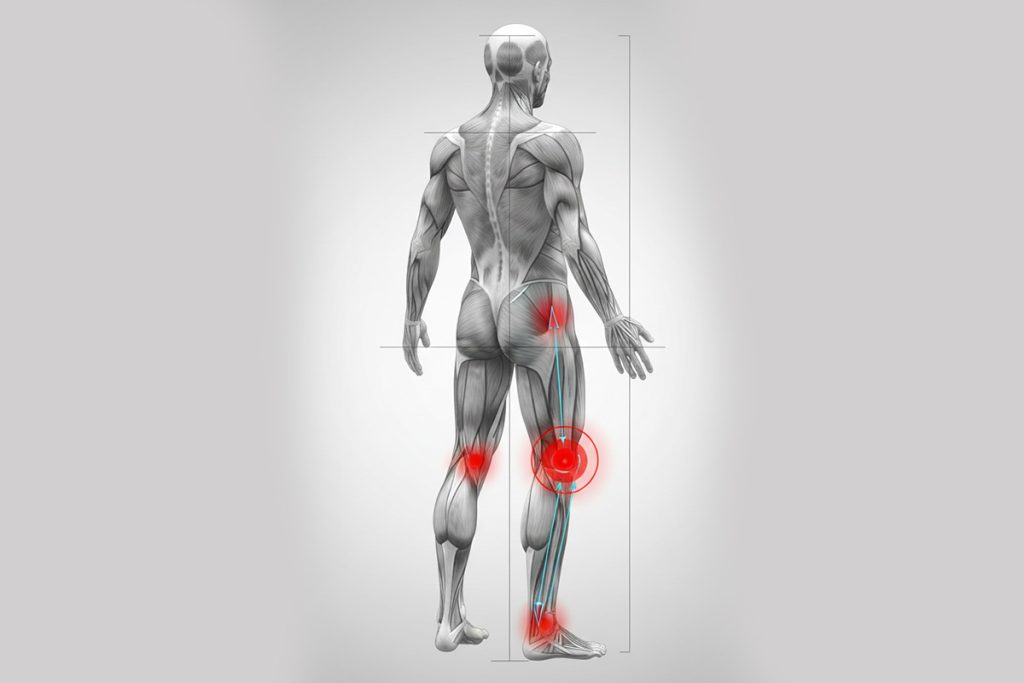
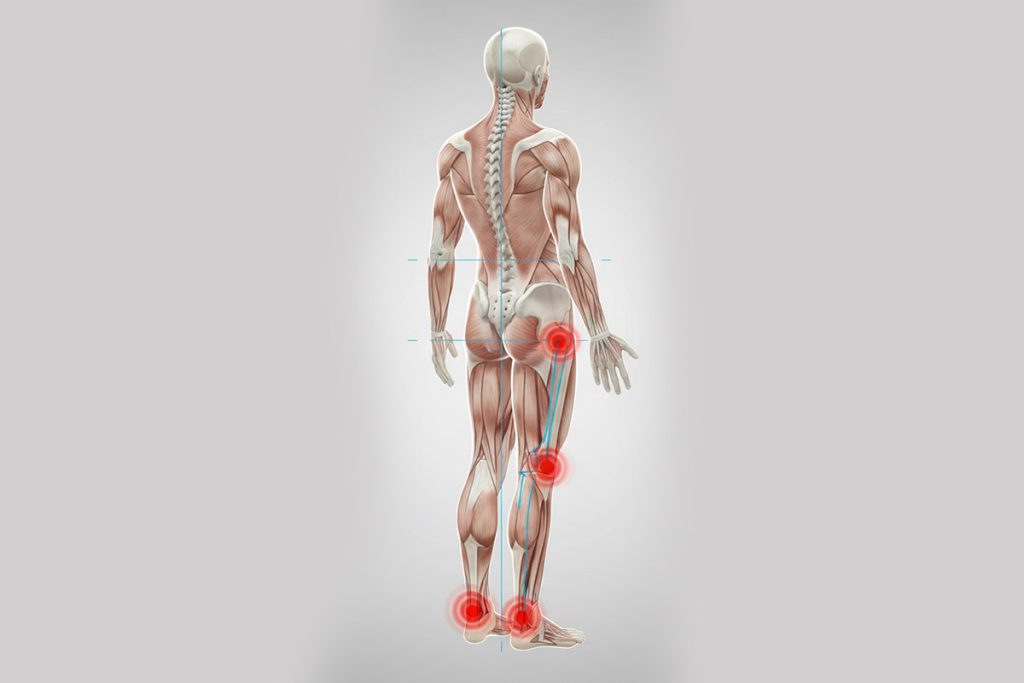
Knee Pain

Description
In some cases, knee pain is influenced by movement patterns at the hip, ankle, or foot rather than the knee alone.

How We Approach It
We assess the full movement chain and work on the factors that may be changing how load is distributed through the knee.

knee
ankel foot

Ankle, Foot, and Heel Pain

Description
These symptoms can be influenced by weight distribution, walking mechanics, and overall balance.

How We Approach It
We assess standing and walking patterns and work on restoring more balanced movement from the ground up.

Reduced Spinal Segment Mobility

Description
Some spinal segments can become stiff or move less efficiently when compensation patterns persist over time.

How We Approach It
We use gradual movement, mobility work, and posture strategies to help improve comfort and function.

الفقرات المتلاصقة
اصابة الرياضة

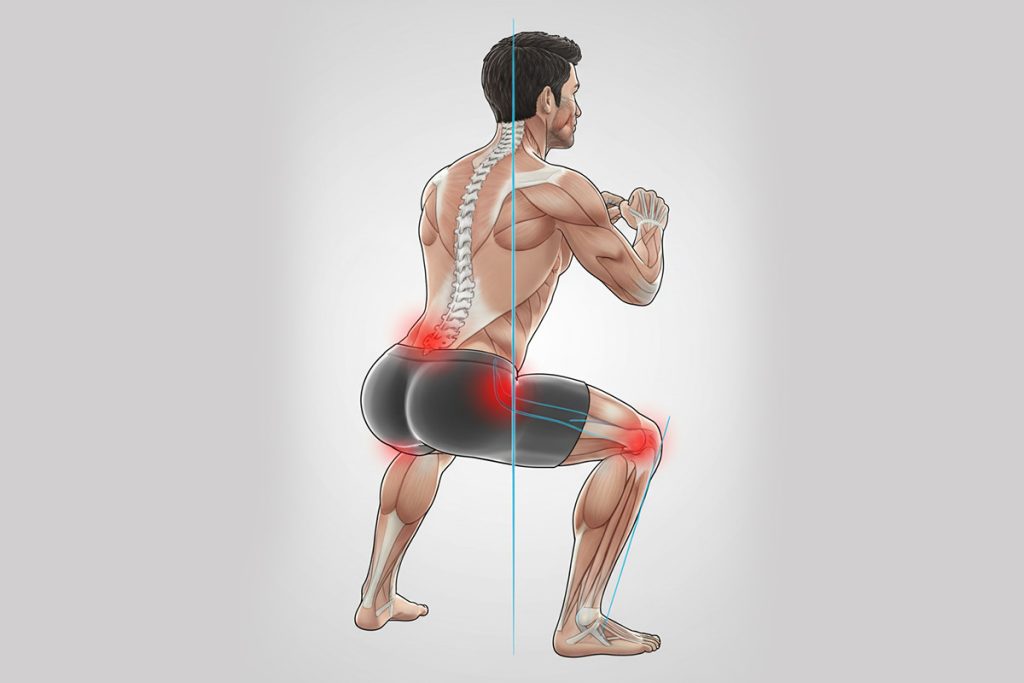
Pain Related to Unsuitable Exercise or Training

Description
Pain can appear when exercise places repeated stress on a body that is not moving or loading efficiently.

How We Approach It
We assess posture and movement first, then adapt exercises and build a program that better matches the individual’s current needs.

Scroll to Top