
Balloutine Method Self-Healing Course
Understand Your Pain — and Learn How to Support Your Body
Not all pain is the same — and the solution should not be either.
The Self-Healing Course is an online learning program designed to help you better understand common posture- and movement-related problems, explore what may be contributing to your pain, and follow practical exercises based on the Balloutine Method.
Inside the course, you will not find a one-size-fits-all exercise routine. Instead, you are guided step by step through how the spine, neck, pelvis, and overall posture can influence common problems such as back and neck pain, sciatica-like symptoms, headaches, and disc-related discomfort.
Learn. Apply. Support Your Body.
Who Is the Self-Healing Course For?
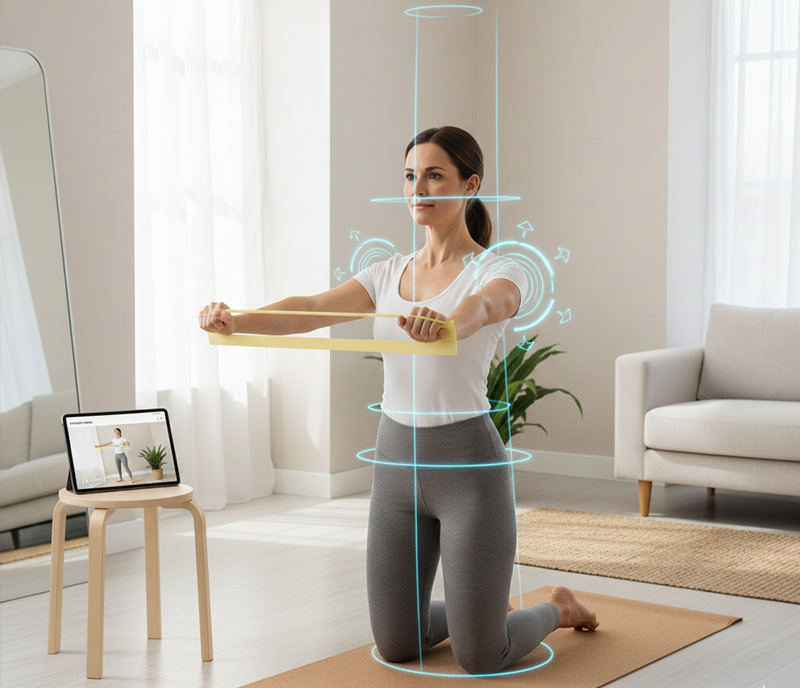
This course is designed for people who feel that pain has become part of everyday life and want to understand it more clearly instead of relying only on temporary solutions.
This course may be right for you if you:
- Notice that pain seems to move from one area to another without a clear reason
- Have been diagnosed with a disc-related condition and want a more informed, cautious approach to movement
- Have tried general exercises or quick fixes without lasting improvement
- Notice that pain seems to move from one area to another without a clear reason
- Want to understand your body and what may be contributing to your symptoms
- Are looking for practical tools and exercises you can follow at home
How the Course Works
The course is built around a simple idea: the more clearly you understand what is happening in your body, the better equipped you are to make informed decisions about movement, habits, and recovery.
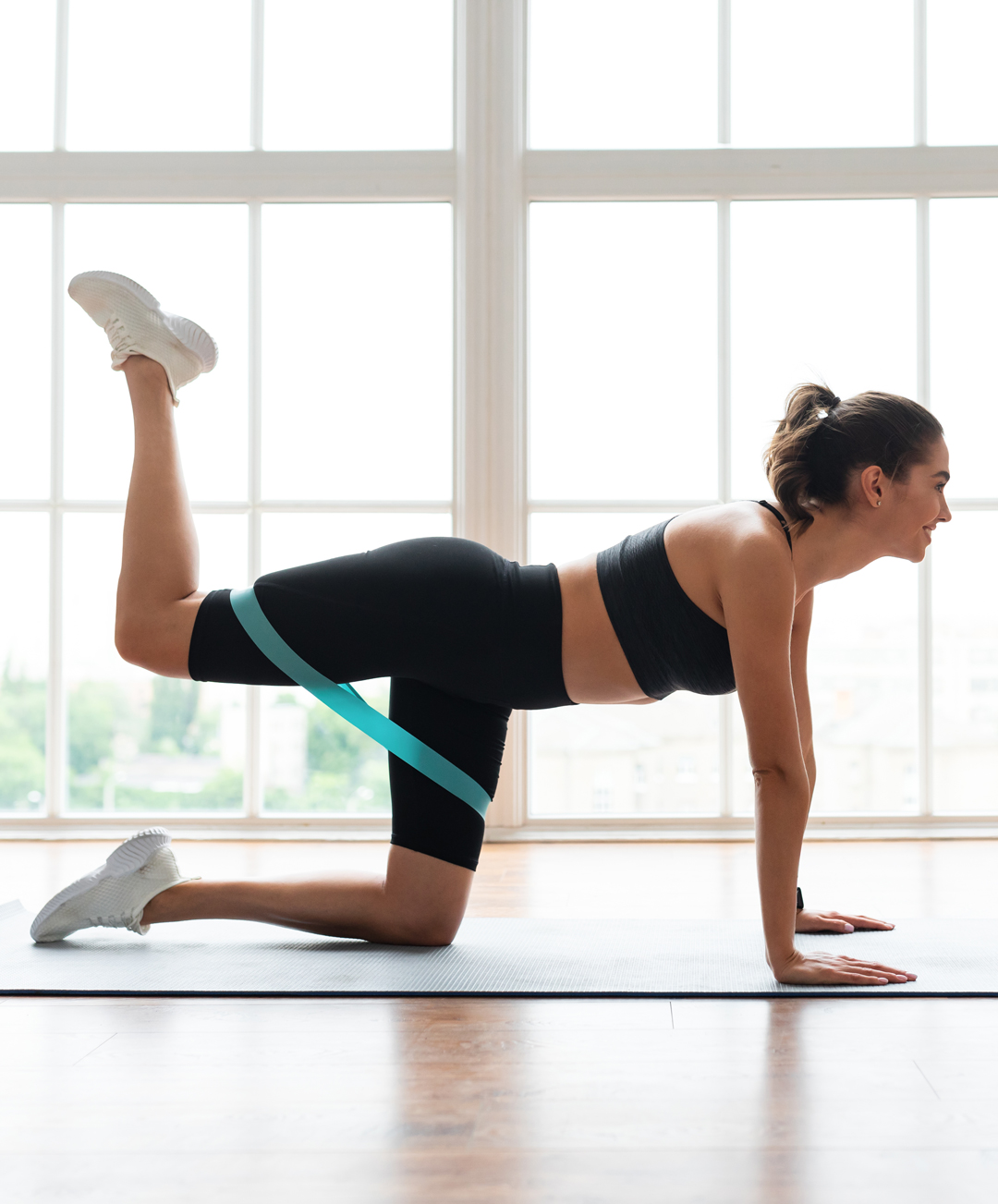
Common physical problems are organized into focused lessons. Each lesson looks at a specific area of the body — such as the spine, neck, pelvis, or joints — and explains how posture and movement patterns may contribute to discomfort.
Each learning path includes:
- A clear explanation of the problem from an anatomical and movement perspective
- An explanation of common contributing factors and how symptoms may develop
- Targeted exercises adapted to the topic
- Guidance to help you practise safely at home
What Will You Learn in the Self-Healing Course?
Lesson 1: The Story Behind the Balloutine Method
Lesson 2: Looking Beyond Painkillers and Procedures
Lesson 3: Why Accurate Assessment Matters
Lesson 4: The Importance of Healthy Alignment
Lesson 5: Beginning Your Journey With the Balloutine Method
Lesson 1: Exercises for Neck-Related Dizziness
Lesson 2: Reducing Headaches Associated With Neck Tension
Lesson 3: Exercises That May Help Ease Migraine-Related Tension
Lesson 4: Neck Pain That Travels Into the Shoulder or Arm
Lesson 5: Correcting Forward Head Posture
Lesson 6: Reducing Morning Neck Stiffness
Lesson 7: Hand and Finger Numbness Associated With Neck Tension
Lesson 8: Exercises for Tinnitus Associated With Neck Tension
Lesson 9: Neck Pain Linked to Stress and Persistent Muscle Tension
Lesson 10: Eye Strain and Headaches That May Be Related to Neck Tension
Lesson 1: Exercises for Disc-Related Back Pain
Lesson 2: Reducing Pressure and Tension in the Lower Back
Lesson 3: Strengthening Muscles That Support the Spine
Lesson 4: Improving Spinal Mobility
Lesson 5: Reducing the Risk of Back-Pain Flare-Ups
Lesson 6: Understanding the Difference Between Muscular and Disc-Related Pain
Lesson 7: Exercises for the L5–S1 Region
Lesson 8: Reducing Morning Lower-Back Stiffness
Lesson 9: Breathing and Movement for Lower-Back Comfort
Lesson 10: Exercises for Excessive Lower-Back Arching (Hyperlordosis)
Lesson 1: Upper-Cervical Tension and General Well-Being
Lesson 2: Thoracic Mobility, Digestion, and Posture
Lesson 3: Lumbar Mobility and Everyday Function
Lesson 4: Thoracic Mobility and Chest Comfort
Lesson 5: Thoracic Stiffness and Breathing Mechanics
Lesson 6: The Base of the Skull and Chronic Headaches
Lesson 7: Spinal Mobility and General Physical Resilience
Lesson 8: Thoracic Mobility and Upper-Abdominal Comfort
Lesson 9: Lumbar Tension and Flank Discomfort
Lesson 10: Sacral Tension and Menstrual Discomfort
Lesson 1: Pain From the Lower Back Into the Leg (Sciatica-Like Symptoms)
Lesson 2: Sharp Leg Pain That Worsens With Prolonged Sitting
Lesson 3: Pelvic Weakness and Sciatica-Like Pain
Lesson 4: Pain That Worsens When Sleeping on One Side or Sitting Low
Lesson 5: Hip Stiffness With Pulling Into the Thigh
Lesson 6: Pelvic Tilt and Uneven Load Through the Spine
Lesson 7: Recurring Pain With Mild Leg Numbness
Lesson 8: Localized Buttock Pain That Worsens With Long Walks
Lesson 9: Pelvic Pain Related to Menstruation or Pregnancy
Lesson 10: Loss of Sensation or Leg Weakness — When to Seek Medical Care
Lesson 1: Knee Pain on Stairs
Lesson 2: Thigh Weakness and Increased Knee Load
Lesson 3: Pain Behind the Knee and Hamstring Tension
Lesson 4: Knee Pain Related to Ankle Weakness or Poor Balance
Lesson 5: Early Knee Degeneration and Movement-Related Pain
Lesson 6: Knee Pain After Prolonged Sitting (Theater Sign)
Lesson 7: Knee Clicking With Mild Movement-Related Pain
Lesson 8: Pain Below the Knee in Athletes (Patellar Tendonitis)
Lesson 9: Knee Pain and Excess Body Weight
Lesson 10: Knee Pain Extending Into the Leg and Lateral Muscle Weakness
Lesson 1: Assisted Exercises for Neck Stiffness
Lesson 2: Assisted Shoulder and Arm Stretches
Lesson 3: Helping Ease Lower-Back Tension
Lesson 4: Assisted Hip-Mobility Exercises
Lesson 5: Assisted Hamstring Stretching
Lesson 6: Assisted Exercises for Sciatica-Like Pain
Lesson 7: Assisted Mobility for Frozen Shoulder
Lesson 8: Helping Correct Forward Head Posture
Lesson 9: Assisted Exercises for Knee Stiffness
Lesson 10: A Full-Body Assisted Mobility Session
Lesson 1: Exercises for Menstrual Discomfort
Lesson 2: Improving Lower-Abdominal and Pelvic Mobility
Lesson 3: Reducing Lower-Back Strain During Menstruation
Lesson 4: Relaxation Exercises for Muscular Cramping
Lesson 5: Everyday Tips for Supporting Spinal Health
Lesson 6: Pregnancy-Specific Exercises for Back and Pelvic Comfort
Lesson 1: Before You Begin — Why Medical Assessment Matters
Lesson 2: Red Flags — When to Stop and Seek Medical Advice
Lesson 3: Muscular Strain vs. Disc-Related Pain
Lesson 4: Gentle Starter Exercises That Avoid Excess Spinal Load
Lesson 5: McKenzie Exercises for Lower-Back Disc Problems
Lesson 6: Exercises for Cervical Disc-Related Neck Pain
Lesson 7: Building a Safe, Progressive Program for Disc-Related Conditions
Lesson 1: Pain After Sleeping — Choosing a Better Sleep Position and Pillow
Lesson 2: Frozen Shoulder — Exercises to Restore Movement
Lesson 3: Front-Thigh Pain After Prolonged Sitting
Lesson 4: Shoulder Pain From Lifting Heavy Objects
Lesson 5: Elbow Pain (Tennis Elbow / Golfer’s Elbow)
Lesson 6: Wrist Pain From Computer or Mobile Use (Carpal Tunnel)
Lesson 7: Balance Problems and Dizziness Associated With Neck Weakness
Lesson 8: Upper-Back Pain Between the Shoulder Blades
Lesson 9: Pregnancy-Specific Exercises for Back and Pelvic Comfort
Lesson 10: Flat Feet and Their Effect on Whole-Body Alignment
Lesson 1: Early Warning Signs Parents Can Notice at Home
Lesson 2: Common Postural Patterns in Children
Lesson 3: Growing Pains vs. Signs That Need Professional Assessment
Lesson 4: Simple, Safe Exercises to Support Children’s Posture
Lesson 5: When a Child Should Be Assessed by a Specialist
When You Understand the Problem, You Can Make Better Decisions About Recovery
Understanding Comes First
A large part of meaningful progress comes from understanding what may be contributing to your symptoms — where they began, how they developed, and what habits or movement patterns may be involved. Clear understanding helps you make better decisions instead of relying on guesswork.
Not Every Exercise Is Right for Every Body
Random exercises from the internet may ignore your individual movement patterns and limitations. An exercise that helps one person may not be suitable for another, especially when symptoms have not been properly assessed.
Professional Guidance Can Make a Difference
Exercises selected by a qualified professional can take your posture, current symptoms, and limitations into account. This helps make the process more appropriate, focused, and safer.
How Do You Learn Inside the Self-Healing Course?
The course is designed to be clear, practical, and easy to follow from home.
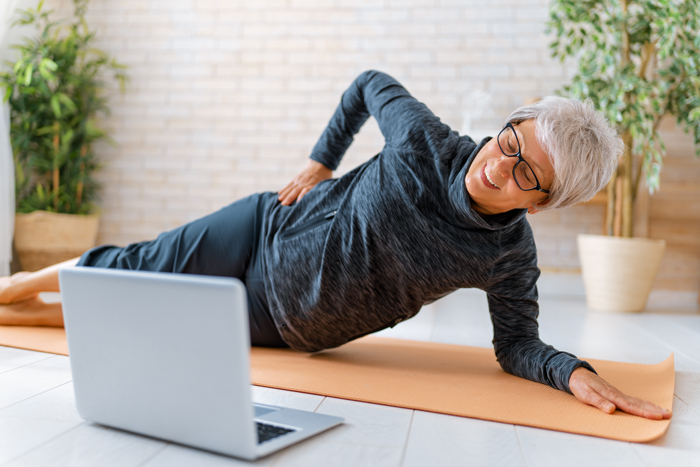
You learn at your own pace and can go directly to the lessons most relevant to your needs.
- Clear recorded videos that explain each topic step by step
- Lessons organized by condition so you can quickly find what matters to you
- Practical exercises with explanations of what to do and why
- The ability to revisit lessons whenever you need a refresher
Frequently Asked Questions
Is the course suitable for my condition?
The course covers many common posture- and movement-related problems. If you experience recurring discomfort and want to understand it more clearly and approach movement more thoughtfully, the course may be suitable for you.
Can the course help if I have a disc-related condition?
It includes lessons on disc-related problems from a posture and movement perspective, together with carefully explained exercises. It is not a substitute for medical assessment when symptoms are severe, new, or worsening.
Do I need previous experience or a high level of fitness?
No. The lessons and exercises are designed for different ability levels and are explained step by step.
How much time do I need each day?
You can learn and practise according to your schedule. Short, consistent sessions are usually easier to maintain than long, irregular ones.
Are the exercises safe to do at home?
The exercises are presented with clear guidance and are designed for home practice when followed correctly. Stop if an exercise causes unusual or worsening symptoms and seek appropriate professional advice when needed.
Can I revisit the lessons more than once?
Yes. You will have ongoing access to the course content so you can return to the lessons whenever you need them.