
In-Clinic Care That Looks Beyond the Pain
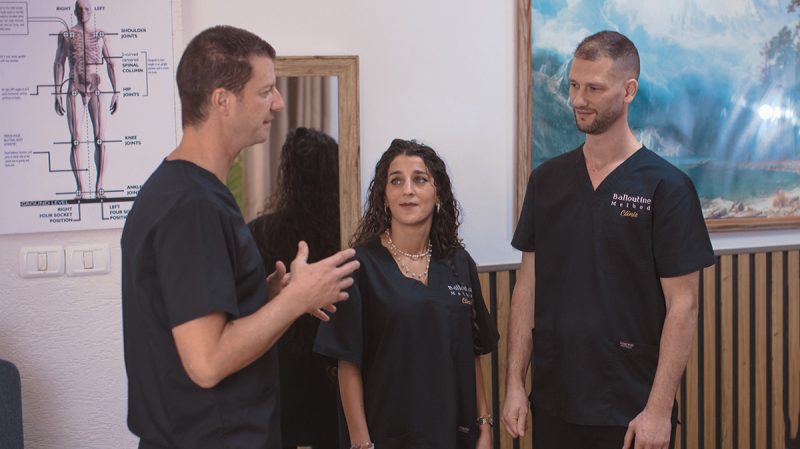
Careful assessment, personalized treatment, and a clearer path toward better balance and movement.
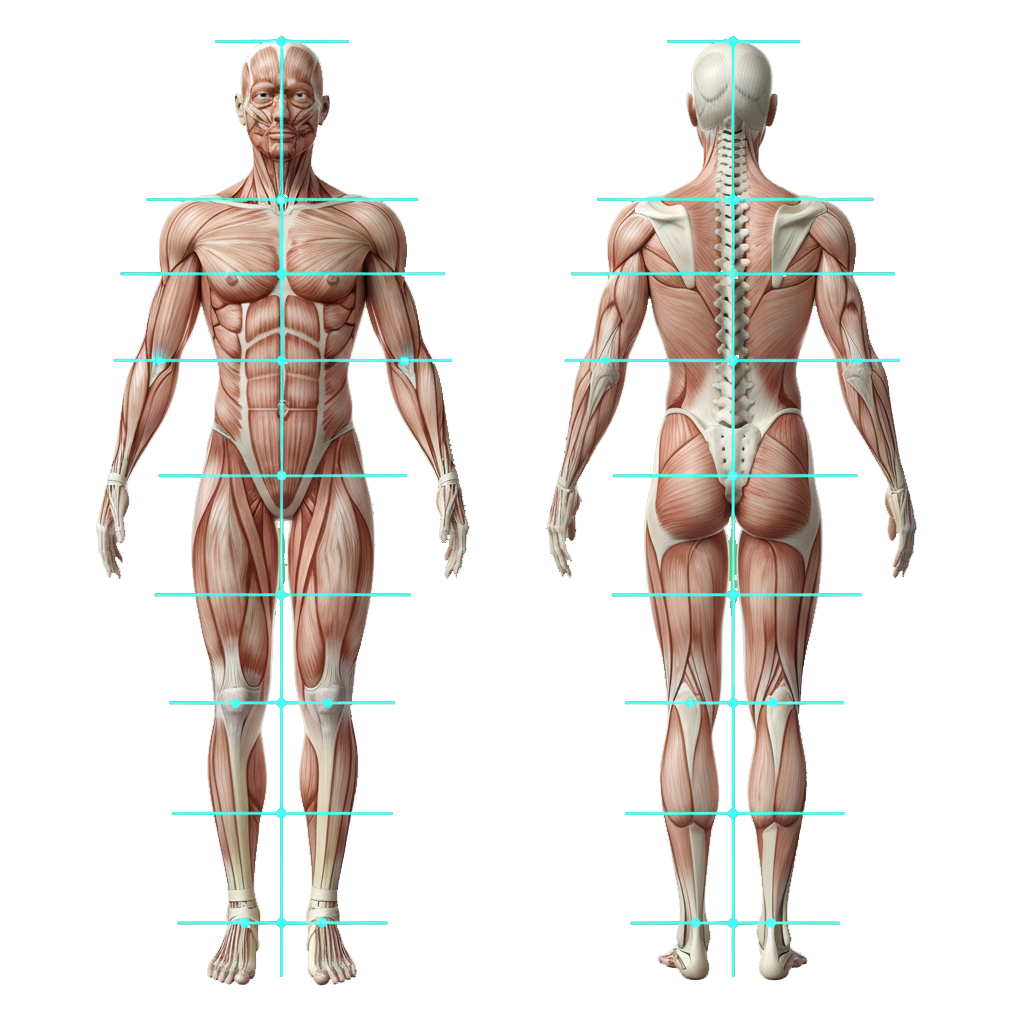
Pain is not always the problem — sometimes it is the signal.
Why does pain keep coming back despite repeated treatment?
Many people try painkillers, short treatment sessions, or general exercises.
The pain may ease for a while, then return — or even appear somewhere else.
In many cases, the source is not the painful area itself, but a deeper imbalance in posture, movement, or load distribution..
When that balance changes, the body may begin compensating without you noticing:
some muscles work harder than they should, joints absorb extra strain, and nerves may become irritated over time.
With the Balloutine Method, Balloutine Method we look at the body as one connected system.
In the clinic, we assess these compensation patterns carefully and look at how and why they developed before deciding on the right treatment approach.
Understanding what is contributing to the problem is the first step toward more meaningful, lasting progress.
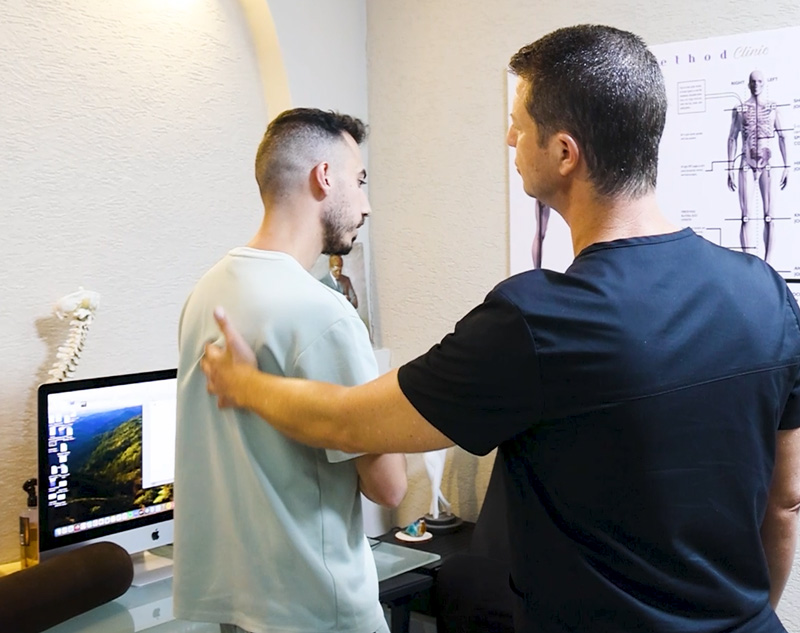
Assess first. Treat with purpose. Help the body move toward better balance.
How Does In-Clinic Assessment and Treatment Work?
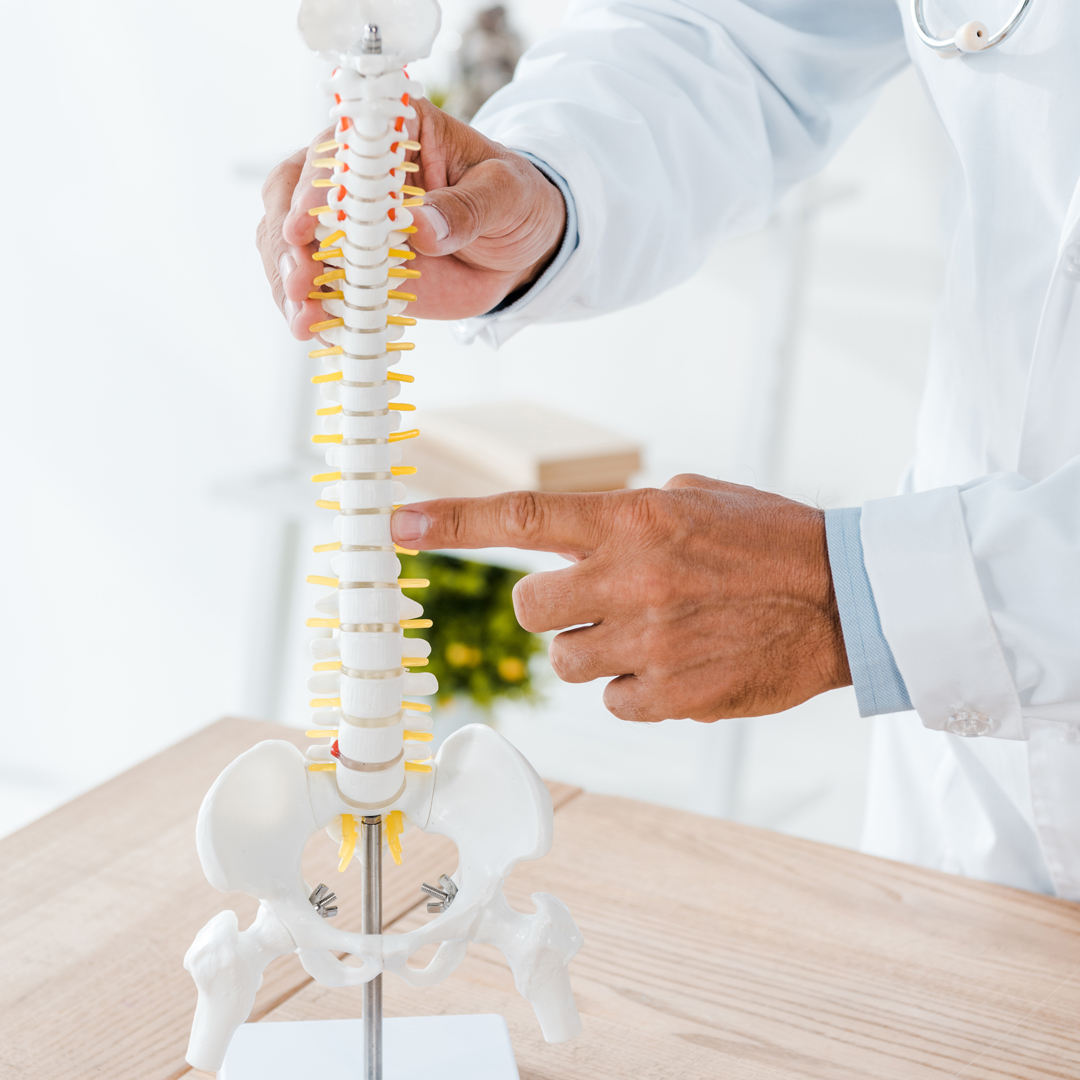
The session begins with a full-body assessment that looks beyond the painful area to posture, movement, and overall alignment.
We observe how you stand, how you move, and where compensation patterns may have developed over time.
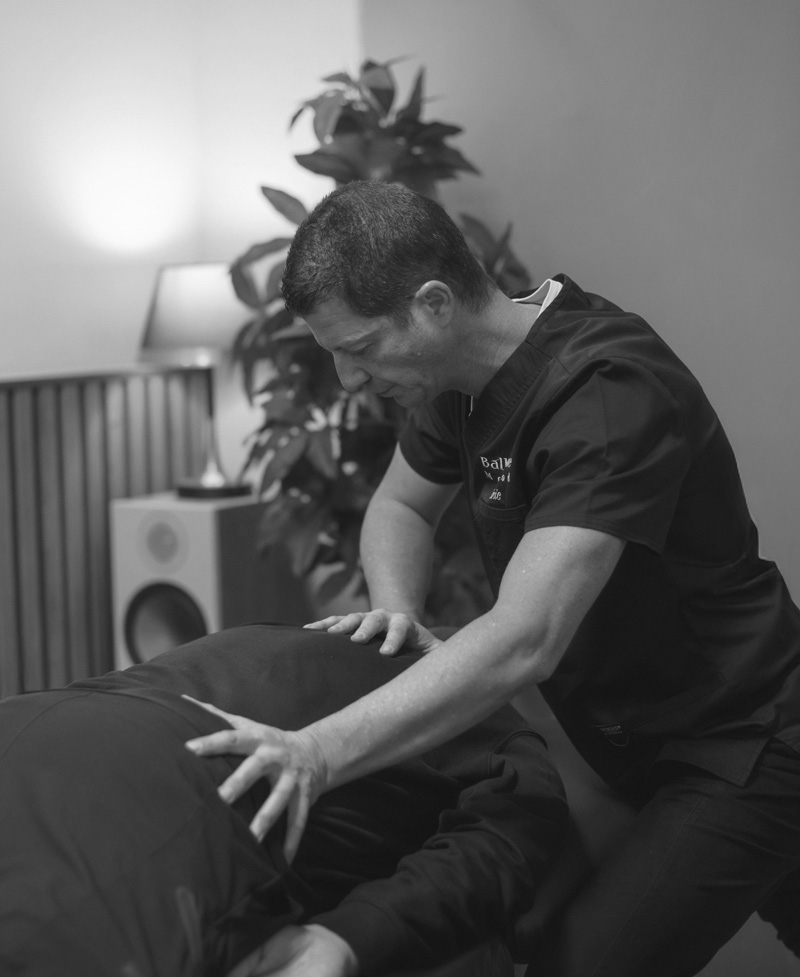
Once the main contributing factors are identified, treatment is tailored to your needs and may include hands-on techniques, movement guidance, and initial exercises to support gradual, safe progress.
The Balloutine Method does not rely on one-size-fits-all solutions.
Every step is based on what your body needs, with treatment adapted carefully to your individual condition.
Conditions We Commonly Address in the Clinic
We work with people experiencing chronic or recurring pain that affects daily life, especially when previous approaches have provided only temporary relief or the contributing factors remain unclear.
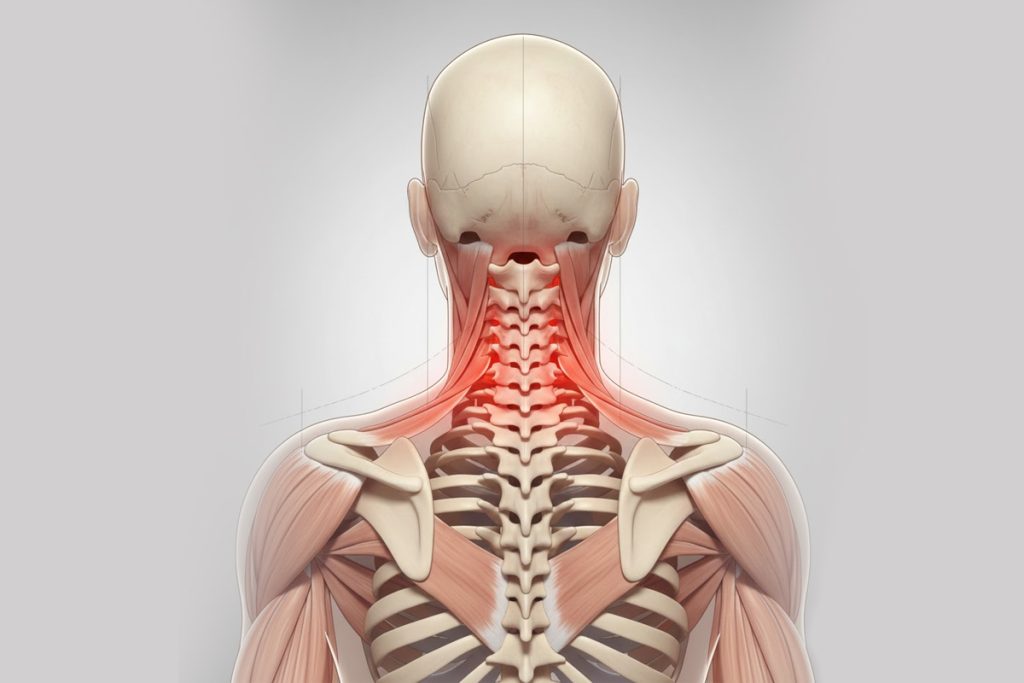
Neck and Shoulder Pain
Often associated with forward head posture, shoulder imbalance, or persistent muscular tension.
We focus on improving posture and reducing compensation patterns that may be placing extra strain on the neck, shoulders, and surrounding muscles.
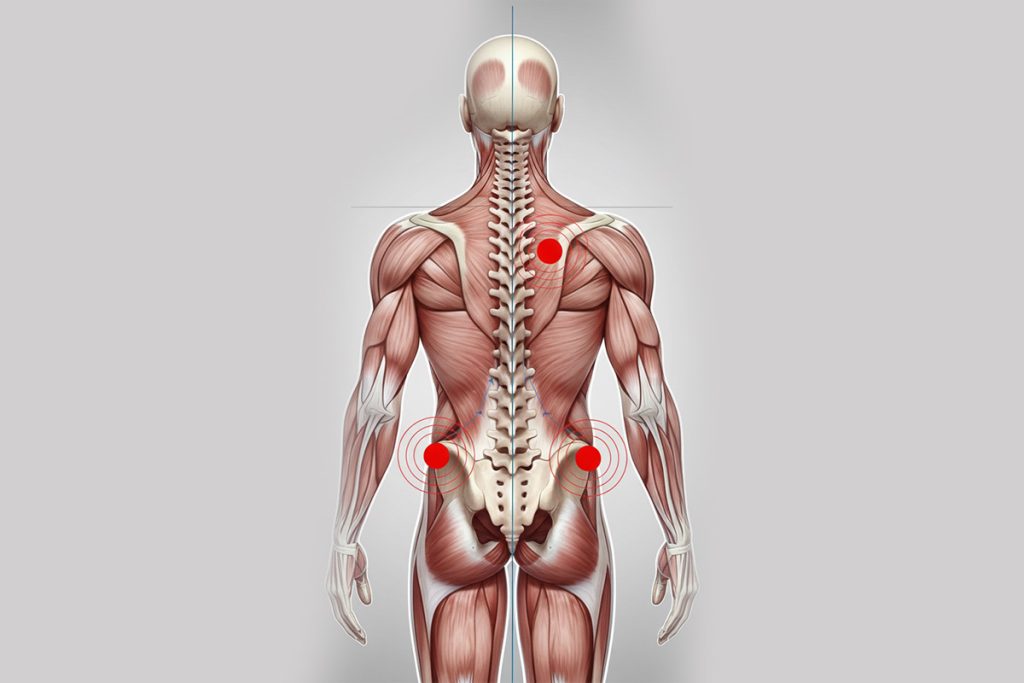
Back Pain and Disc-Related Symptoms
The problem is not always the disc itself. Pelvic imbalance, movement patterns, or weakness in the muscles supporting the spine may also contribute.
Treatment focuses on improving balance, movement, and load distribution over time.
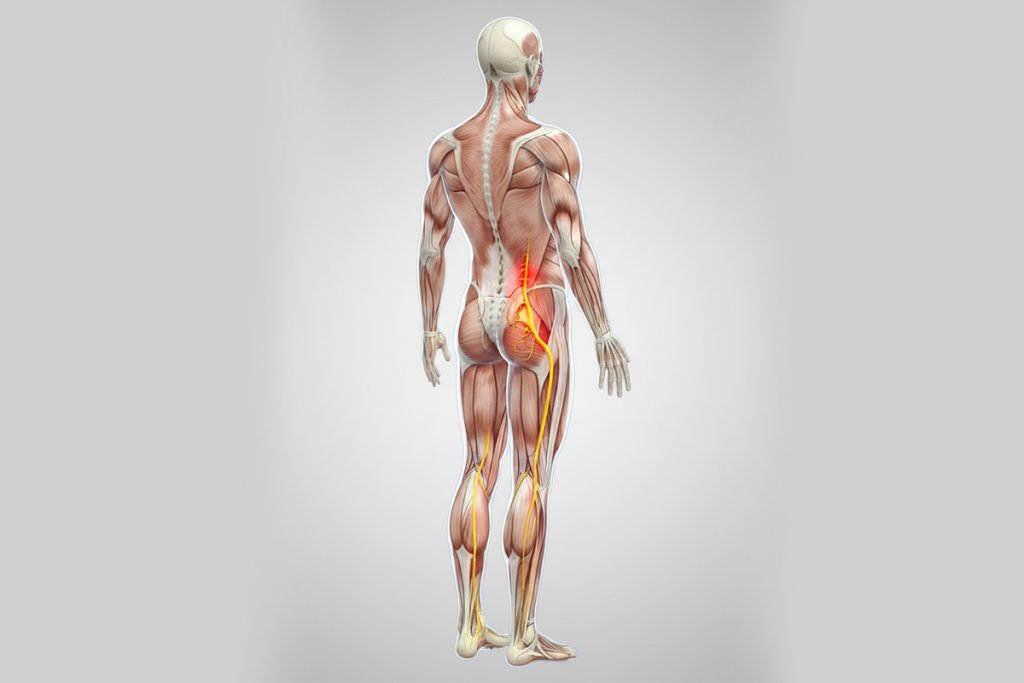
Sciatica and Numbness Into the Limbs
These symptoms may be influenced by pelvic or hip mechanics and the way pressure is distributed through the body. We assess the movement pattern and work to reduce the factors that may be irritating the nerve pathway.
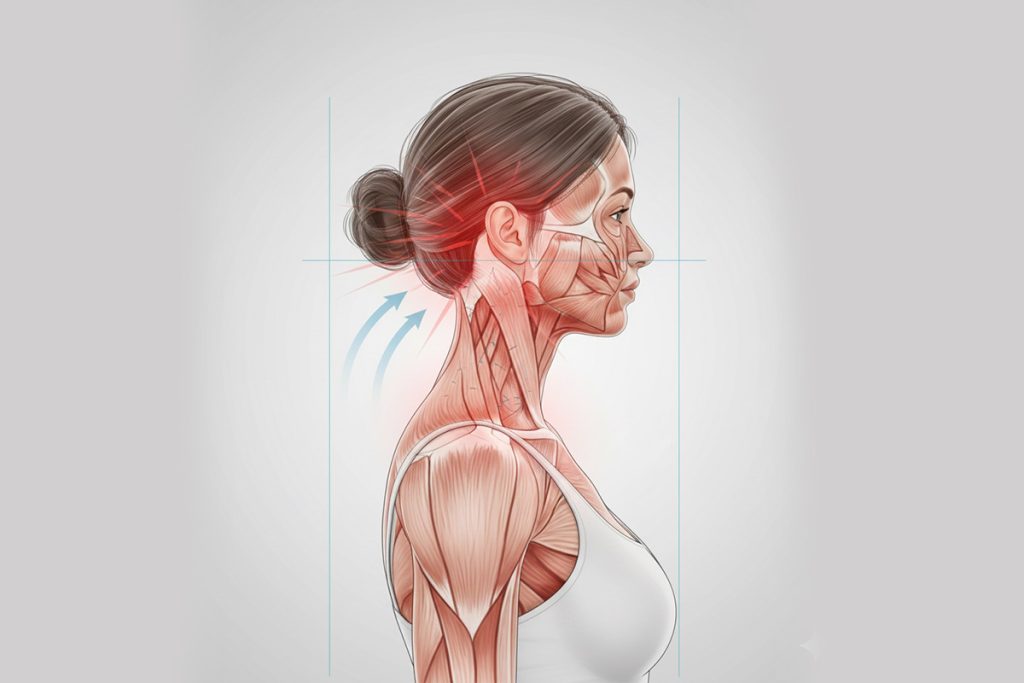
Headaches and Migraines
In some cases, headaches may be associated with neck tension, the muscles at the base of the skull, or forward head posture. Our focus is on understanding and addressing the contributing factors rather than only managing symptoms.
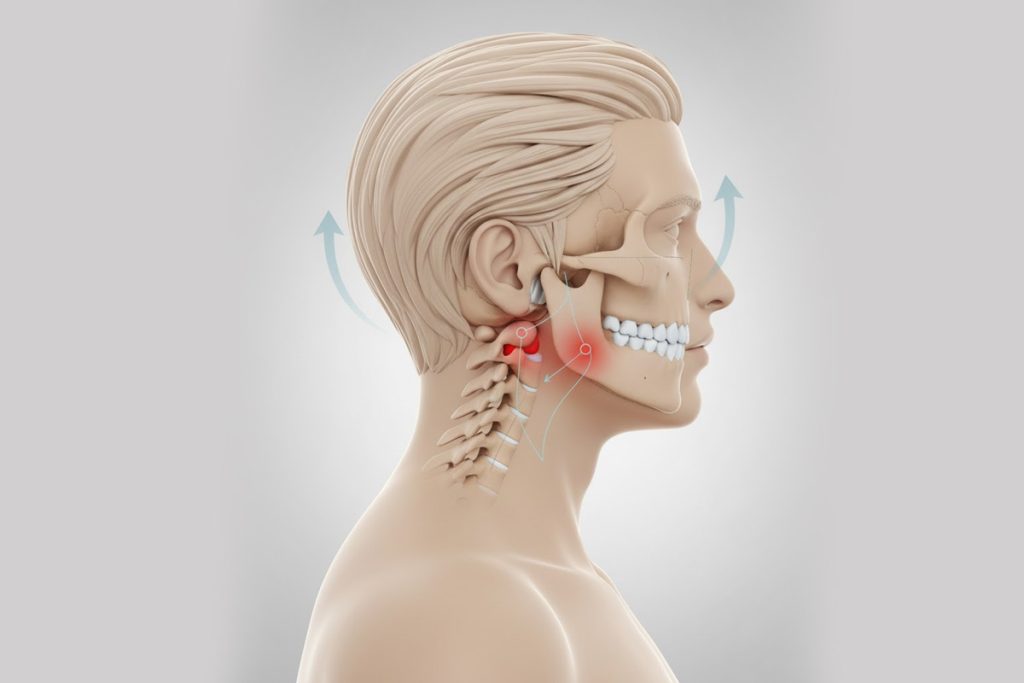
Jaw Pain and Facial Tension
These symptoms may be influenced by neck tension or imbalance through the upper body.
We work on reducing unnecessary tension and improving muscular balance.
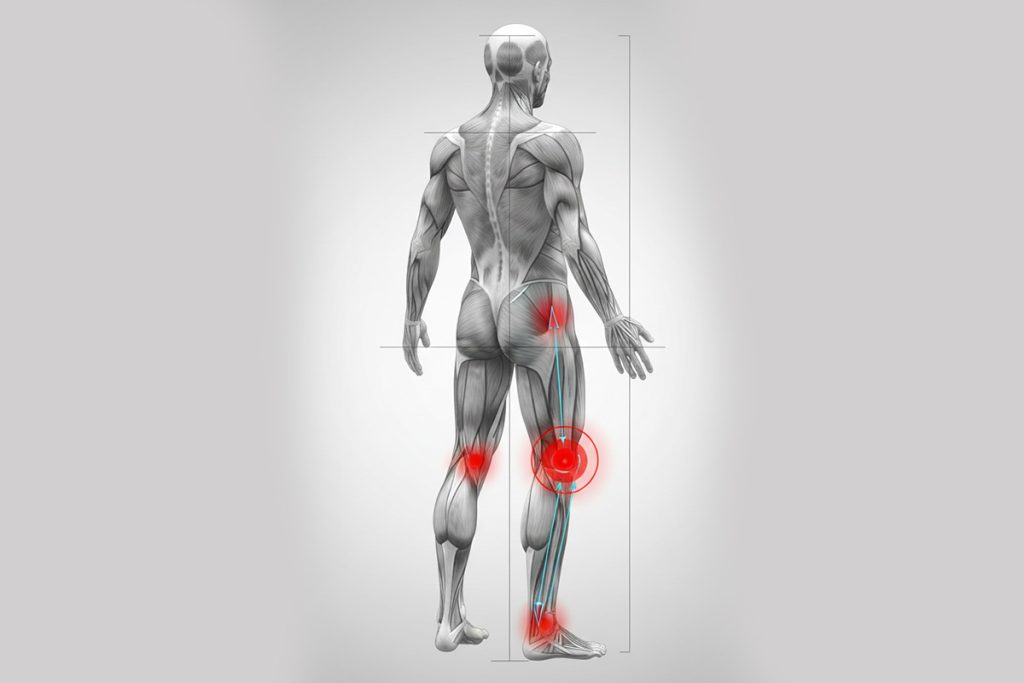
Knee, Hip, and Ankle Pain
The painful joint is not always the only issue. Movement patterns, alignment, and weight distribution can all play a role.
We assess the body as a whole and work to improve overall alignment and joint function.
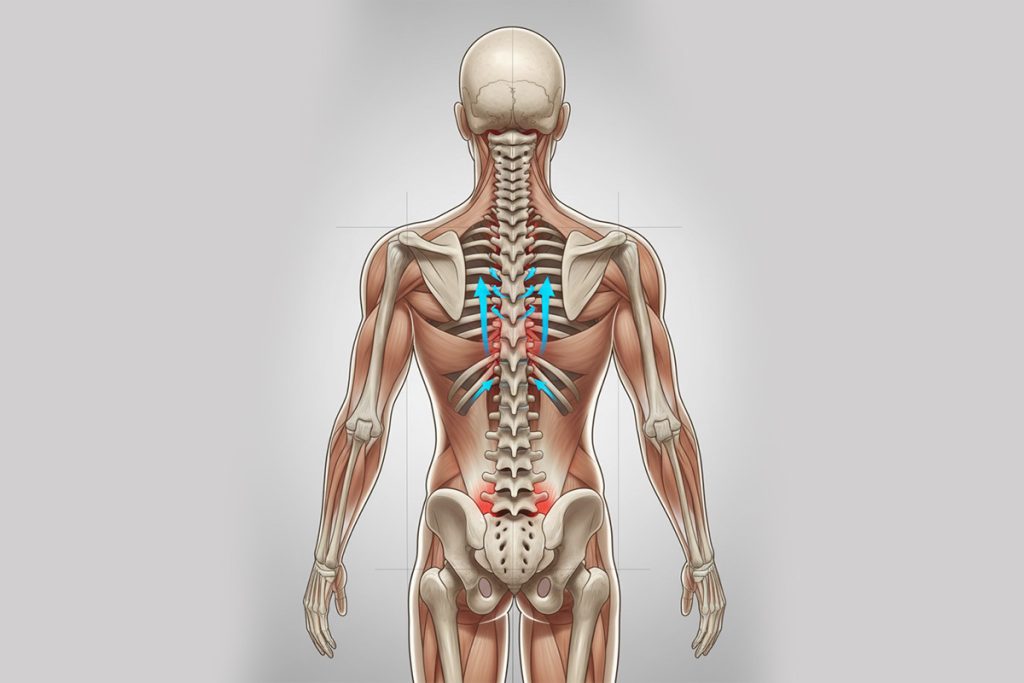
Postural Imbalances
Including pelvic tilt, rounded posture, or forward head position.
The goal is to improve alignment and help the body move in a more balanced, efficient way.
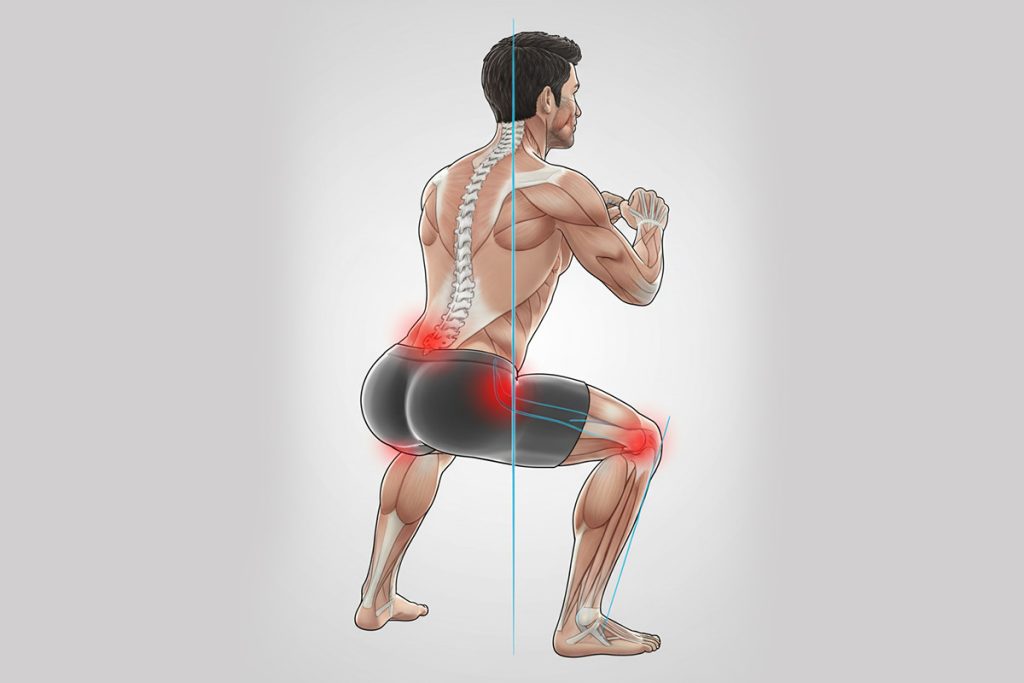
Sports-Related Injuries
Some injuries are influenced not only by the activity itself, but also by movement imbalances or weakness in the muscles that support the body.
We focus on improving alignment, movement control, and strength to support a safer return to activity.
Why Do People Choose the Balloutine Method?
Because the goal is not simply to reduce pain, but to understand what may be contributing to it and help the body move toward better balance.
We look beyond the painful area to posture, movement, and how load is distributed throughout the body..
Every treatment plan begins with a careful evaluation, because effective care starts with understanding what is actually happening..
There is no standard routine or generic exercise plan. Each session is adapted to the individual body and how it responds..
Treatment is provided carefully and over clothing, with full respect for comfort, boundaries, and individual tolerance..
We explain what we observe and give practical guidance to help you support progress through movement and everyday habits..
When posture, movement, and muscular balance improve, the body can function more efficiently and may be better able to maintain those changes over time..
What Makes In-Clinic Balloutine Treatment Different?
Effective care starts with understanding the body — not just the pain.
At Balloutine clinics, we do not treat pain as an isolated symptom. We look at the body as one connected system.
We assess posture and movement carefully to understand what may be contributing to the problem, then use a treatment approach designed to support better balance, movement, and function.
What Defines This Approach
- Comprehensive Structural Assessment
- Personalized Care for Every Case
- Understanding Muscular Compensation
- Restoring Functional Movement Balance
- A Focus on Long-Term Progress
- A Treatment Method Built on Extensive Practical Experience
When Is the Right Time to Visit the Clinic?
You do not need to wait until the pain becomes severe.
In many cases, seeking help early can make it easier to address the problem before it becomes more persistent.
A clinic visit may be appropriate if you:
- Experience recurring or persistent pain in the back, neck, or joints
- Notice that the pain improves temporarily but keeps returning
- Feel that discomfort shifts from one area of the body to another
- Experience numbness, persistent muscular tension, or stiffness
- Have recurring headaches that may be related to neck tension or posture
- Notice changes in posture, balance, standing, or walking
- Have tried different treatments but only experienced temporary improvement

Frequently Asked Questions
Common Questions Before Starting In-Clinic Treatment
No.
Treatment at the Balloutine Clinic is provided with full respect for your comfort and physical boundaries, and is performed over clothing.
Most people describe the session as comfortable and often notice a sense of reduced tension as the body begins to move more freely.
This varies from person to person depending on the condition, the degree of postural or movement imbalance, and how the body responds.
After the initial assessment, we can give you a clearer idea of the most appropriate treatment path.
We prefer to be transparent and do not promise a fixed number of sessions in advance, because every person responds differently.
Many people begin with weekly sessions, with the frequency adjusted as progress is made.
In many cases, yes.
Posture and movement can often be worked on across a wide age range, with treatment adapted to each person’s condition, comfort, and physical ability.
In some cases, improving the factors contributing to pain may reduce the need for other interventions, because the focus is on addressing the factors contributing to the pain rather than only reducing symptoms.
However, every case is assessed individually and realistically. When medical evaluation or additional care is appropriate, we will recommend it.
When posture, movement, and muscular balance improve, the body may function more efficiently and maintain those improvements for longer.
To help maintain progress, we may recommend occasional follow-up sessions and simple exercises at home.
Where Are Balloutine Method Clinics Located?
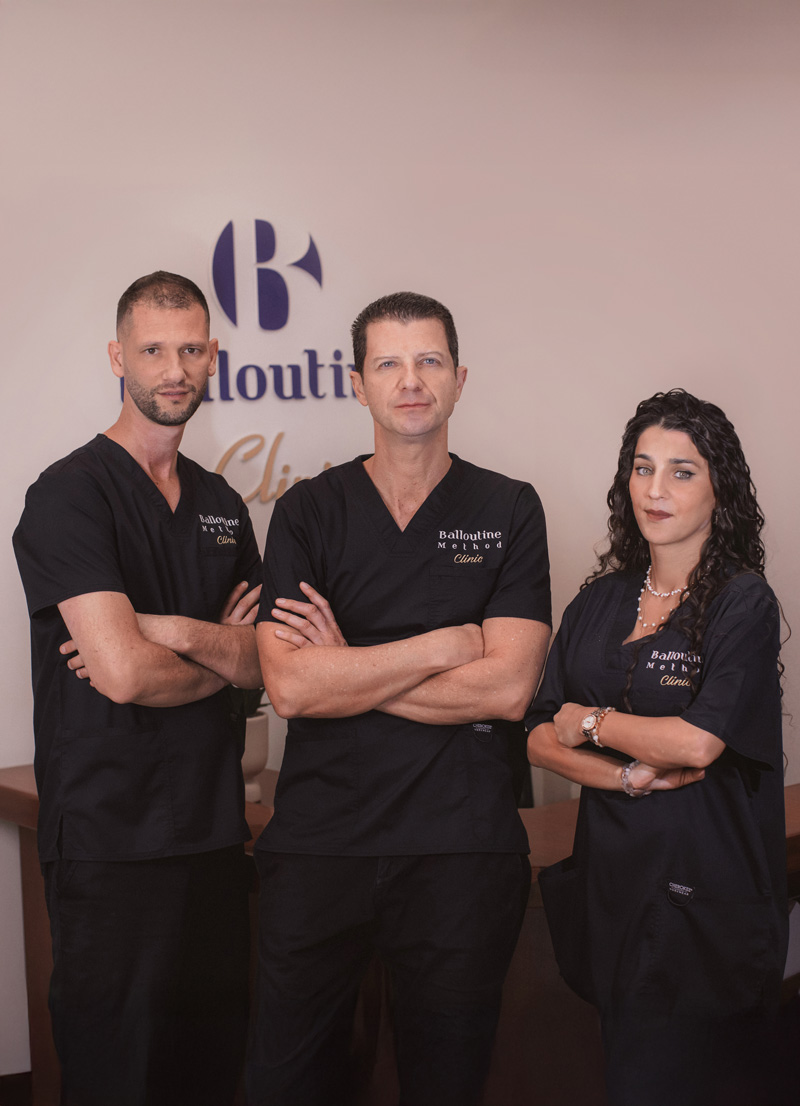
Licensed Balloutine Method locations operate under the supervision of specialist Charbel Balloutine or trained practitioners authorized to use the method.
Haifa, Beit Jala – Bethlehem, Umm al-Fahm, and Kaukab Abu al-Hija
Main clinics under the supervision of Charbel Balloutine.
Amman, Jordan, and Buq'ata, Golan Heights
Licensed clinics operating according to the Balloutine Method.
Licensed Clinics and Partners in Other Countries
Practitioners trained in the Balloutine Method are available in several Arab countries, and the network continues to expand through training and licensing programs.
Personalized Assessment – Clear Evaluation – Treatment Based on Understanding, Not Guesswork
Your First Step Toward Better Movement Can Start Here
If you are living with persistent or recurring pain, it may be time to understand what is contributing to it rather than simply adapting to it.
An in-clinic assessment is the first step toward identifying the factors behind the problem and building a clearer path toward recovery.
The Balloutine Method does not rely on guesswork or quick fixes.
It is built on careful assessment of posture, movement, and the compensation patterns the body develops over time.
Our goal is not simply to reduce pain, but to help the body move toward better balance in a safe and sustainable way.