
Structural Alignment with the Balloutine Method
Structural alignment is not simply about improving how the body looks— it is about helping the body move toward a more balanced alignment so muscles and joints can work with less unnecessary strain and compensation.
With the Balloutine Method, Balloutine Method We always begin with a simple but essential question:
Where did the alignment begin to change?
Because pain may appear in one area while the contributing movement or posture pattern begins somewhere else in the body.
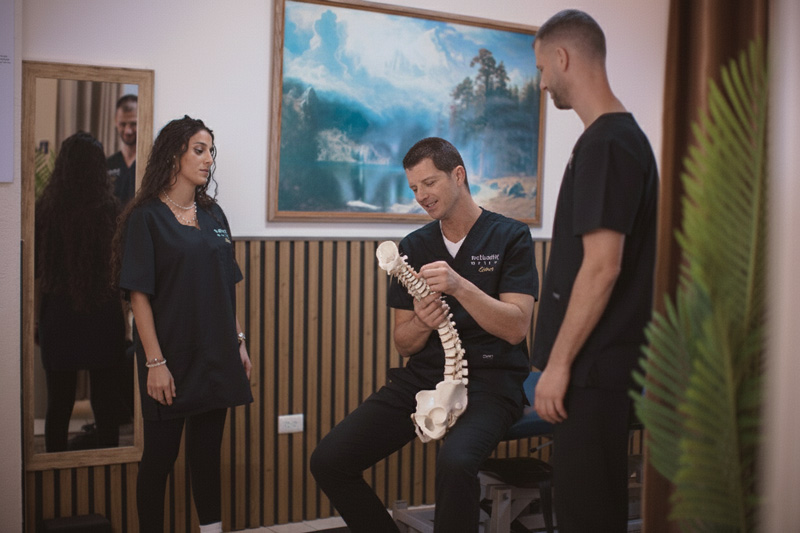
What Do We Mean by Structure and Alignment?
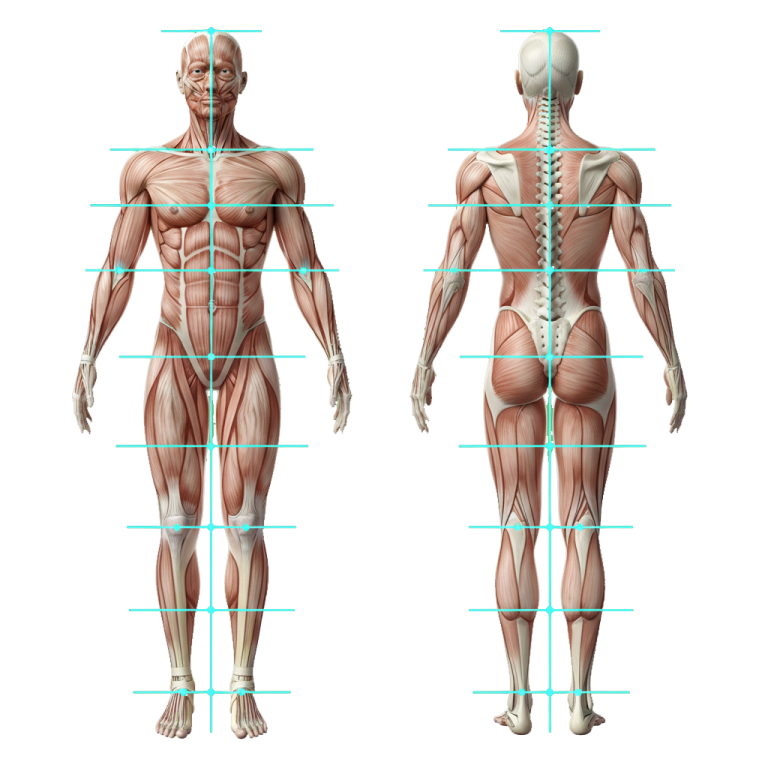
Structure refers to how your body is positioned and organized as one connected system:
The head aligned over the spine
The rib cage balanced over the pelvis
Body weight distributed evenly through both feet
When alignment is more balanced, movement can feel easier and the body may require less compensatory effort from muscles and joints..
What Is Postural Imbalance — and Why Does It Happen?
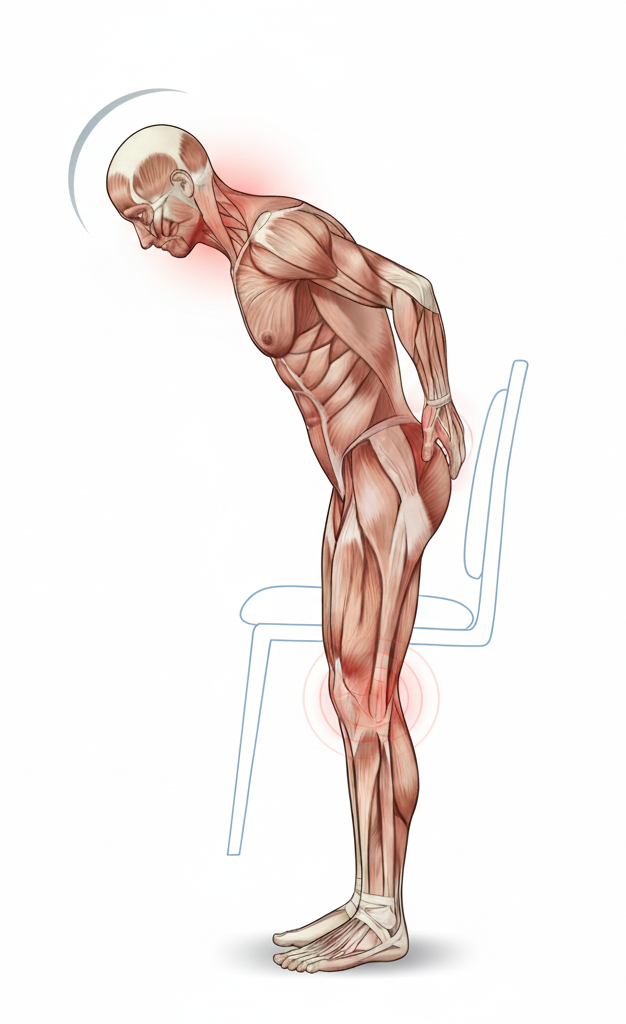
Postural imbalance can develop gradually through repeated daily patterns such as::
- Long periods of sitting
- Frequent phone use with the head and upper body leaning forward
- Extended periods of driving
- Low levels of daily movement
- Exercises that are not well suited to the individual
Over time, the body may begin to compensate::
- Some muscles work harder than they need to
- Certain joints take on more stress
- Nerves may become irritated when strain persists
Common Signs of Postural Imbalance
- Forward head posture
- Rounded shoulders
- A pronounced upper-back curve or excessive lower-back arch
- Uneven shoulder height
- Pelvic tilt or asymmetry
- Recurring discomfort during prolonged sitting or standing
- Changes in the way you walk, sit, or bend
How Postural Imbalance Can Affect the Body
Physical Effects
When posture is poorly balanced, certain areas of the spine and surrounding tissues may take on more load, which can contribute to recurring neck, back, or shoulder discomfort. Over time:
• Muscles may become tense and fatigued
• Balance may become less efficient
• Movement patterns may change
This can increase strain through areas such as the knees, hips, and ankles.
Functional Effects
A slumped or compressed posture can limit comfortable chest expansion and make breathing feel shallower. It may also:
• Increase pressure through the chest and abdominal area
• Affect comfort during digestion
• Increase the body’s overall effort during everyday activity
This can contribute to feeling tired or less energetic.
Mental and Emotional Effects
Persistent discomfort, physical tension, and inefficient movement can affect concentration, energy, and mood. A more comfortable and supported posture may also help you feel more at ease and confident in daily life.
The Balloutine Method
How We Approach Structural Alignment
Alignment and Movement Assessment
We observe standing and sitting posture, movement patterns, and areas where the body may be compensating.
A Gradual Correction Plan
Individualized exercises combined with practical guidance for better posture during work, rest, and sleep.
Identifying Contributing Factors
Is the issue related to: • Forward head posture • Pelvic imbalance • Reduced core support • Uneven weight distribution?
Maintaining Progress
Consistency matters more than intensity. The goal is to help the body gradually build more efficient movement and posture habits.
Three Everyday Positions That Can Make a Real Difference
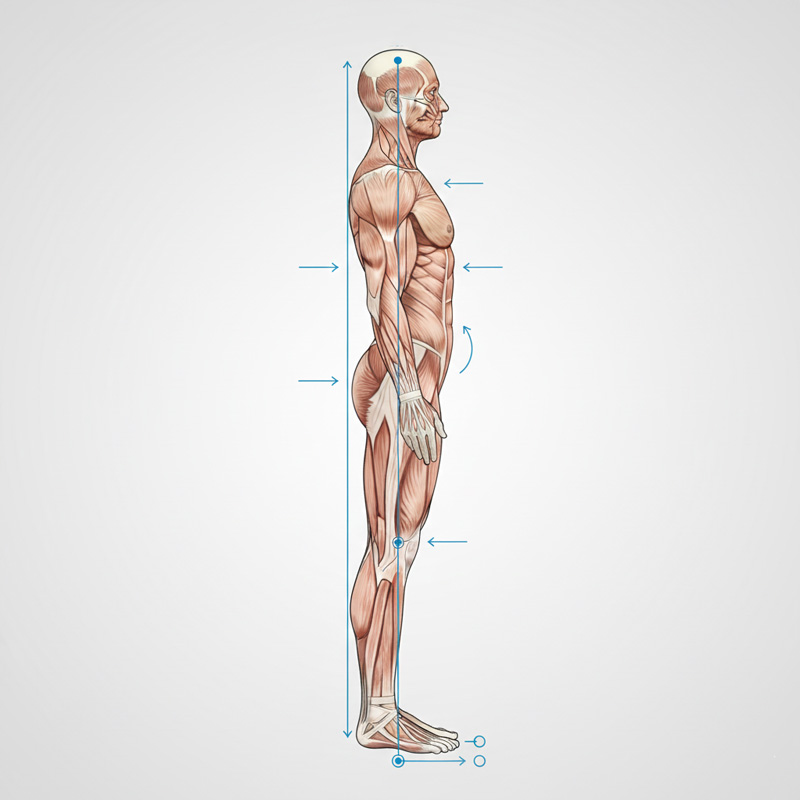
Standing
Keep your weight evenly distributed, knees relaxed, core gently engaged, and head comfortably aligned over the shoulders..
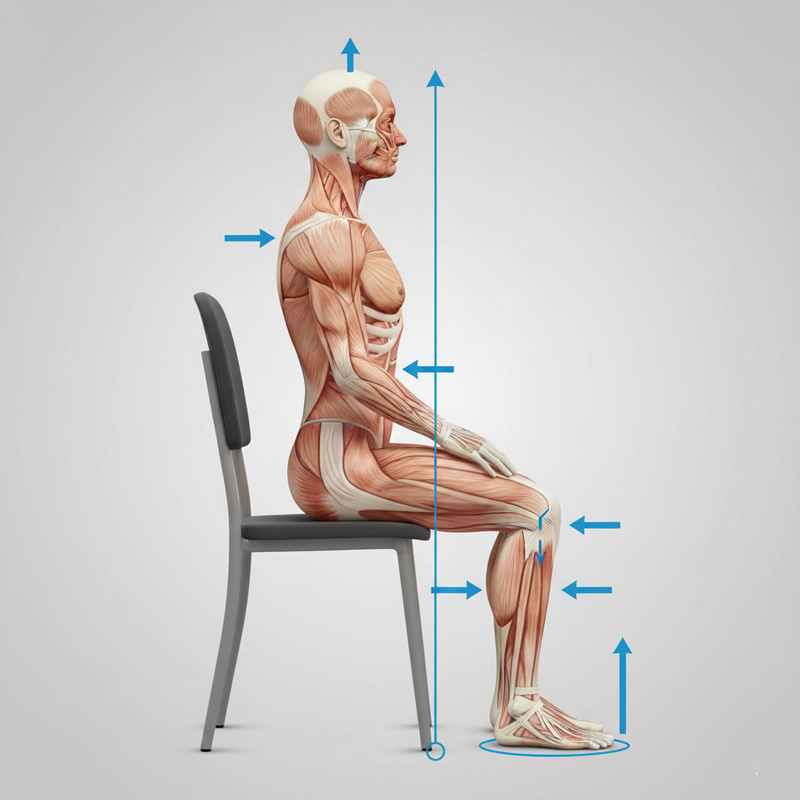
Sitting
Keep both feet supported, the back well supported, the screen near eye level, and the shoulders relaxed..
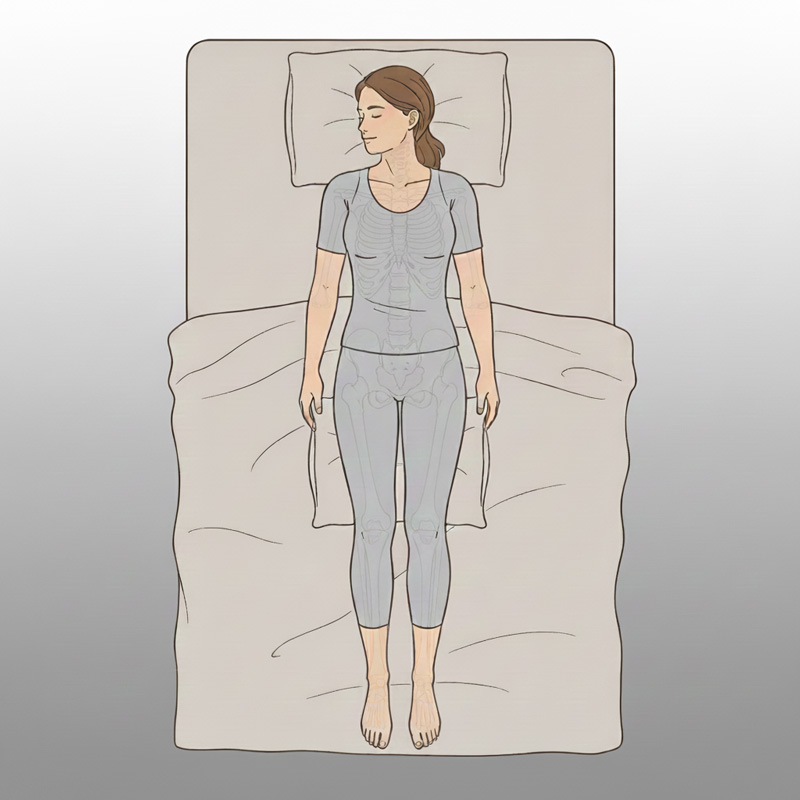
Sleeping
Use a pillow that supports a comfortable neck position and avoid prolonged twisting whenever possible..
Pay Attention
When Is a Personalized Assessment Recommended?
A professional assessment may be helpful if you are experiencing:
Persistent or recurring pain
Numbness or tingling in the limbs
Recurring dizziness
Pain that increases with sitting or movement
Pain that keeps returning despite previous treatment or exercise
A proper assessment can help you understand the factors contributing to your symptoms before choosing an exercise or treatment approach..
Healthy Posture Is More Than Appearance
Good posture is not only about how your body looks.
It is about helping your body work from a more balanced and natural position..
When the body moves with better alignment:
Compensation may decrease
Strain-related pain signals may lessen
Movement can become more natural and efficient.
“Sometimes the body does not need another quick fix — it needs a better understanding of how it is moving and compensating.”