
Remote Treatment Session
احجز جلسة العلاج عن بعد الآن
This could be the step that finally helps you understand what may be driving your pain.
A focused one-to-one session designed to look beyond the symptom, assess how your body moves, and give you a clearer direction forward.
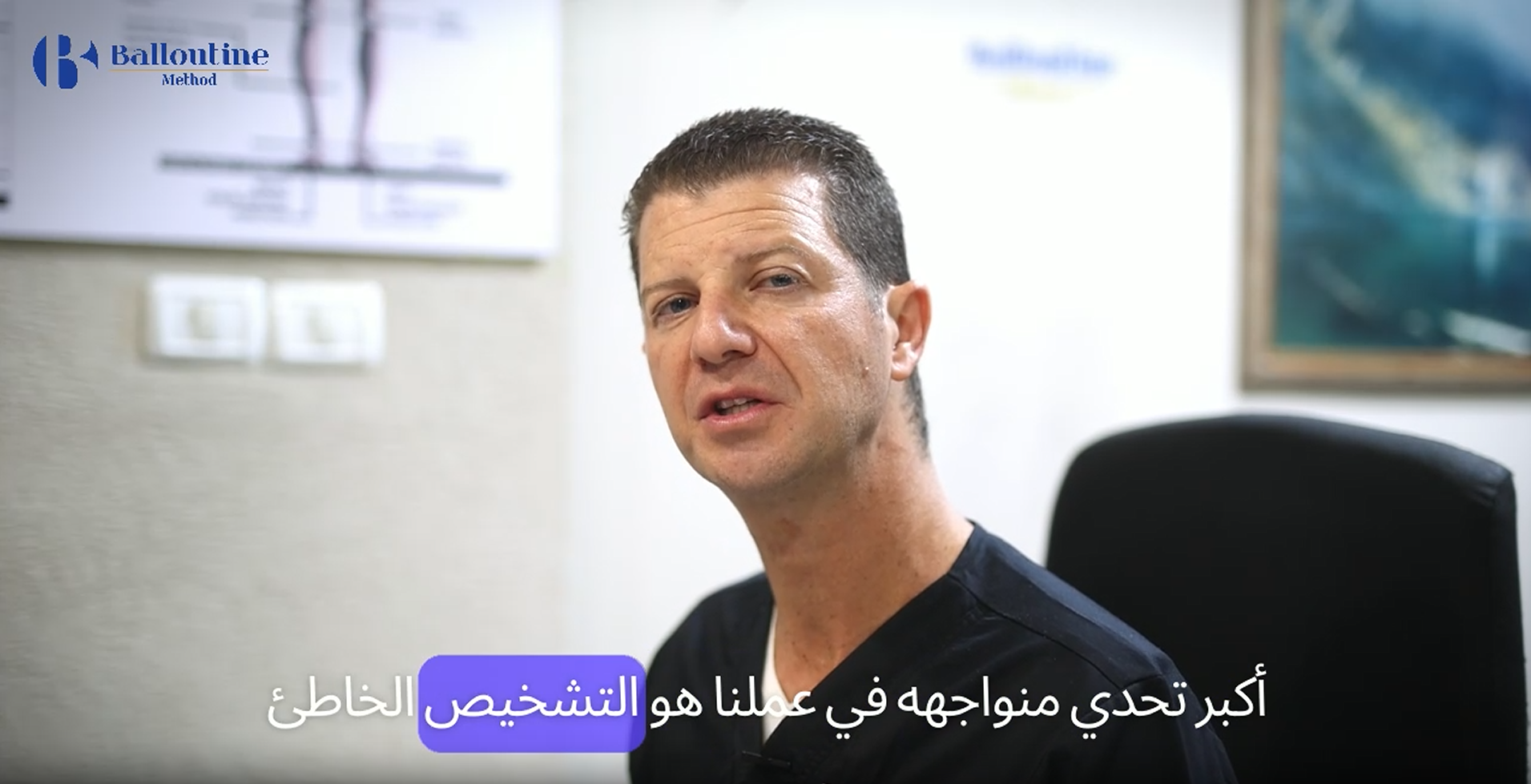
What Is a Remote Treatment Session?
A remote treatment session is a guided video session designed to assess posture, movement, and the factors that may be contributing to your pain — not just where you feel it.
During the session, we review your posture, movement patterns, health history, and everyday habits to build a clearer picture of what may be affecting your body and what steps may help.
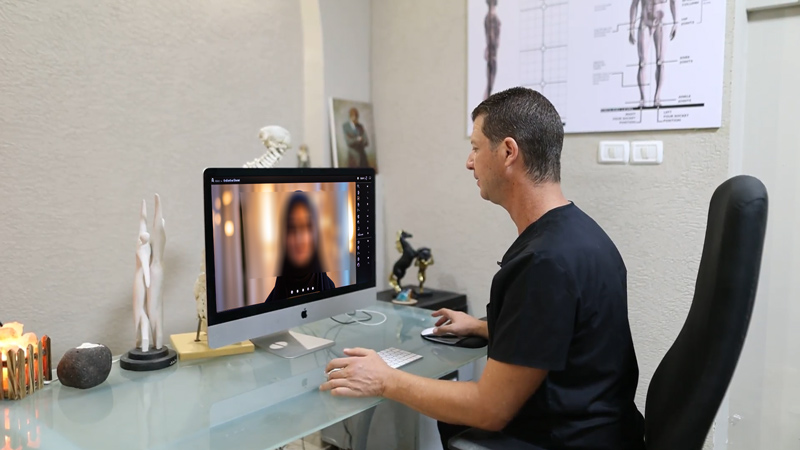
Comprehensive Pain & Movement Assessment
Identify Contributing Factors
Clear, Personalized Guidance
How the Session Works
1. Submit Your Request
Fill in your details and request a treatment session. We’ll then arrange a suitable appointment time with you.
2. Appointment Confirmation
Our team will contact you to confirm the time, share the session details, and send your video-call link.
3. One-to-One Video Session
Meet directly with a specialist for a guided assessment, a clear explanation of the findings, and personalized movement and exercise recommendations.
The Balloutine Method Approach
Look Beyond the Symptom
We focus on the factors that may be contributing to pain instead of simply trying to silence the symptom.
Posture and Alignment Matter
When the body begins to compensate, movement patterns can change and strain can build elsewhere.
A Clear Plan, Built Around You
You leave with practical, personalized steps designed to improve movement, balance, and day-to-day function.
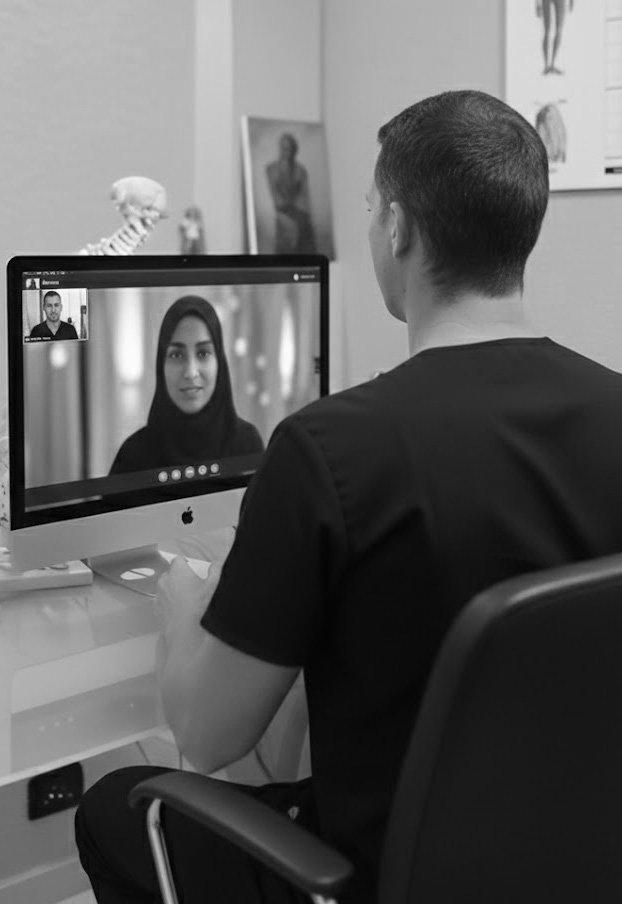
How Does a Remote Treatment Session Work with the Balloutine Method?
Assessment starts with how your body moves — not only where it hurts. The Balloutine Method uses guided visual assessment of posture, alignment, and movement patterns to identify possible areas of compensation and strain.
Understanding Posture Through Movement and Images
خلال جلسة علاج عن بعد موجّهة، نقوم بتحليل وضعية الجسم من خلال الصور وزوايا الحركة، لنحدّد بدقة أين بدأ الخلل وكيف أثّر على باقي المفاصل والعضلات.
Looking for What May Be Driving the Pain
Pain is not always felt where the underlying problem began. By looking at the body as one connected system, we aim to identify the movement and alignment factors that may be contributing to your symptoms.
A Practical Plan You Can Follow
Based on the assessment, you receive a clear, personalized plan with posture guidance and targeted exercises you can follow from home, with practical steps designed to support better movement and long-term progress.
Patient Stories
حالات شائعة كشفنا سببها الحقيقي عبر التشخيص عن بعد
التشخيص الأوّلي أشار إلى انزلاق غضروفي عند الفقرات L4–L5 مع توصية بالجراحة. خلال التقييم عن بعد، لاحظنا ميلانًا واضحًا في الحوض وضعفًا في عضلة Gluteus Medius، ما سبّب تحميلًا غير متوازن على العمود الفقري القطني. بتصحيح اصطفاف الحوض وتقوية السلسلة الجانبية، انخفض الضغط الميكانيكي على الفقرات واستعاد الجسم استقراره الوظيفي دون تدخل جراحي.
After several visits to ear, nose, and throat specialists without lasting improvement, the assessment showed persistent tension in the Sternocleidomastoid, along with restricted movement in the upper cervical area around C1–C2. The plan focused on head position, upper-neck mobility, and reducing muscular tension. Over time, the patient reported a gradual reduction in dizziness and tinnitus symptoms.
Years of medication had provided only temporary relief. Movement assessment showed increased tension in the Suboccipital muscles that help stabilize the head. A targeted program focused on improving head and neck balance and reducing excess tension. The patient reported fewer and less intense headache episodes.
الألم الممتد إلى القدم شُخّص كضغط على العصب الوركي. لكن التقييم عن بعد أظهر انحرافًا في الحوض مع شد في عضلة Piriformis، ما خلق ضغطًا غير مباشر على مسار العصب. عند تصحيح اصطفاف الحوض وتحسين حركة الورك، تحسّن المشي وخفّ الألم تدريجيًا.
Previous assessments had focused mainly on the hip joint, while our movement evaluation identified weakness in the Gluteus Maximus along with a posterior pelvic tilt. Strengthening the supporting muscles and improving movement control helped redistribute load more effectively, and the patient reported gradual improvements in pain and sleep.
The assessment suggested that the jaw symptoms may have been influenced by deep neck muscle tension and movement restriction around C3–C4. The plan focused on improving neck balance and head position. As those factors improved, the patient also reported better jaw movement without direct treatment to the jaw itself.
Frequently Asked Questions
Is Remote Treatment Effective?
It can be useful for many people because the Balloutine Method relies heavily on guided observation of posture and movement, not only hands-on examination. Video assessment can help identify movement patterns and possible areas of compensation, then guide a personalized plan.
How can you assess me without a hands-on examination?
The assessment focuses on posture, movement angles, and compensation patterns that can often be observed through a guided visual evaluation. When a hands-on or medical examination is necessary, we will recommend appropriate in-person care.
How Long Does a Remote Treatment Session Take?
Most sessions last around 45 to 60 minutes, including assessment, discussion of the findings, and guidance on the recommended plan and exercises.
Will I need special equipment?
Usually not. Most recommendations use bodyweight movements and simple exercises that can be done at home without specialized equipment.
When might I start noticing improvement?
It varies from person to person and depends on the condition, consistency, and other individual factors. Some people notice positive changes within a few weeks of following their plan.
Will I need many sessions?
Not necessarily. The goal is to help you understand your body and give you practical tools you can use between sessions. The number of sessions depends on your needs, progress, and response.